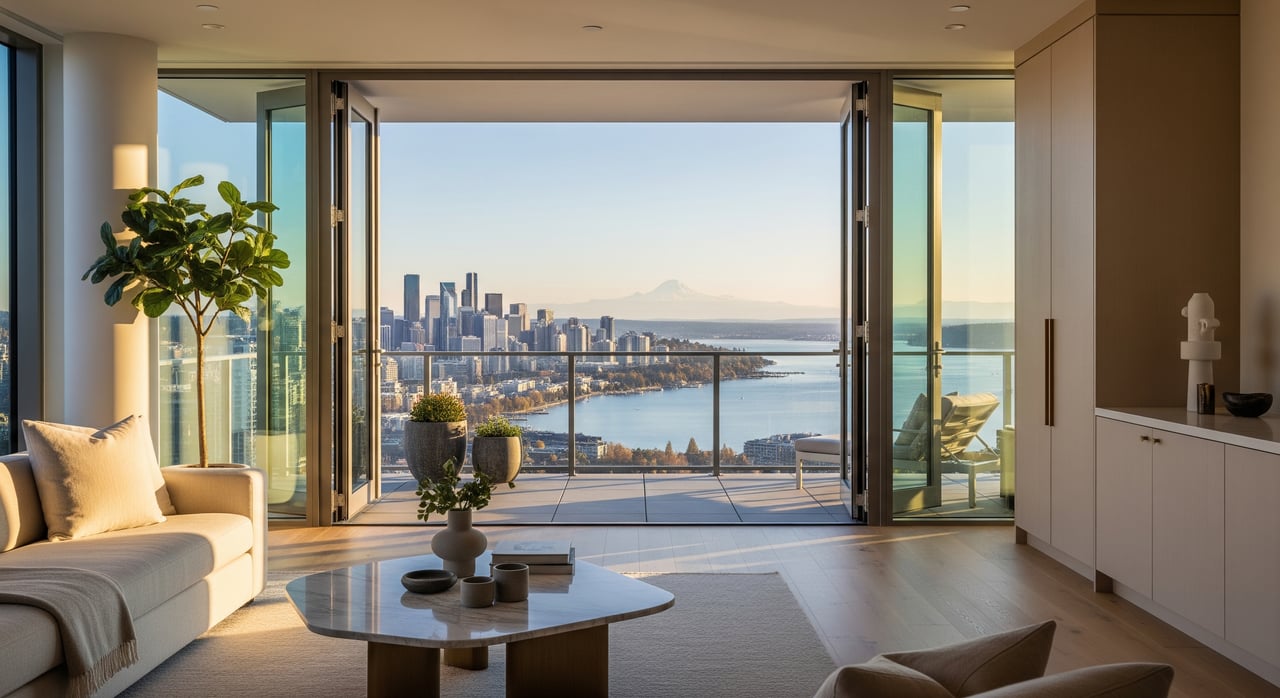
Eyeing a lock-and-leave high-rise with Elliott Bay views or a sleek tower steps from South Lake Union? Choosing the right luxury condo comes down to fit, not just finishes. You want the right floor plan, a stable HOA, clear rental rules, and a neighborhood that matches how you live and work. In this guide, you will learn how to assess buildings and amenities, compare Downtown Seattle to Bellevue, and run a smart due diligence process that protects your investment. Let’s dive in.
What counts as luxury downtown
Luxury condos in Downtown Seattle span a few distinct micro-neighborhoods. You will find high-rise glass towers in the Central Business District and South Lake Union, boutique and loft options near Pike Place and Belltown, and quieter edges near First Hill with skyline views. Each area offers a different rhythm and value proposition.
- Pike Place and the Waterfront offer prestige and direct access to the Market, ferries, and Elliott Bay. Expect more boutique and historic options nearby with unique interiors.
- CBD and the Retail Core deliver full-service towers, concierge living, and easy access to dining and shopping.
- Belltown feels energetic with restaurants and nightlife plus a mix of boutique buildings and conversions.
- South Lake Union places you close to major tech employers, newer towers, and modern amenity sets.
If you want current price and inventory context before touring, review broad market snapshots through NWMLS market reports and discuss building-level trends with your advisor.
Building types and floor plans
High-rise luxury towers
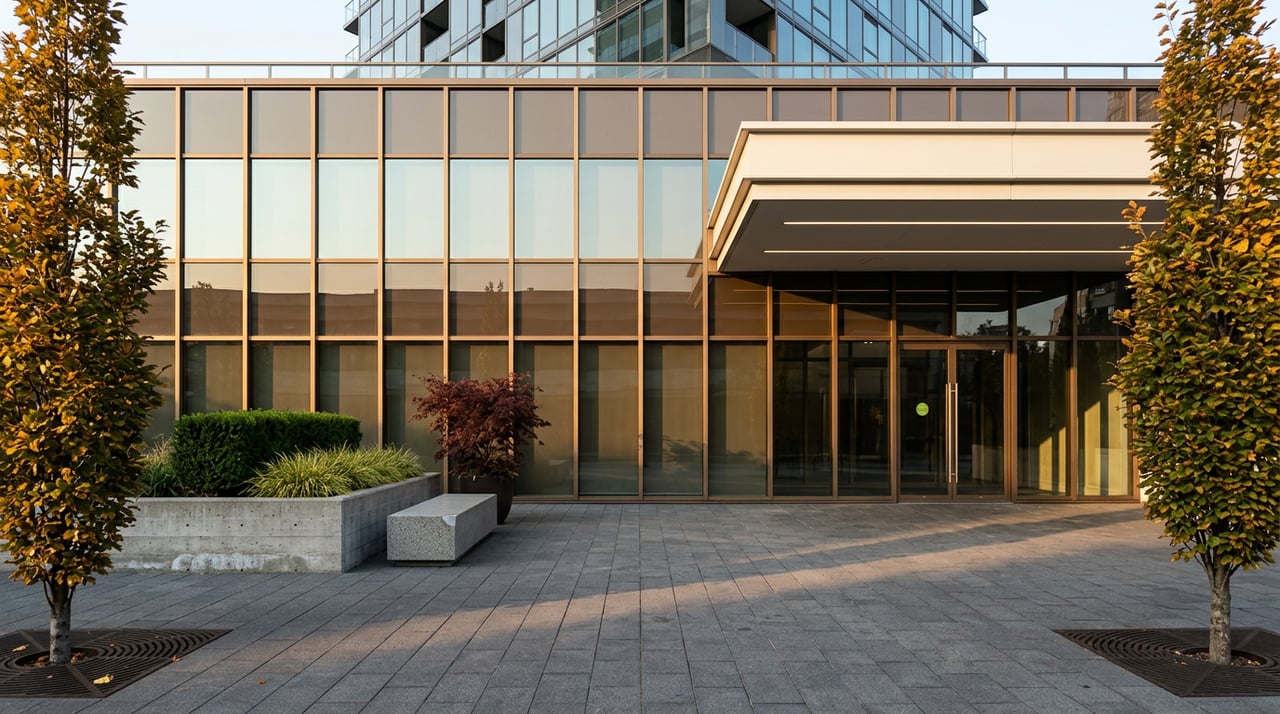
These towers define the skyline. Expect staffed lobbies, multiple elevators, secure parking, and high-end finishes. Upper floors bring expansive water or city views and penthouse-level features. Review elevator service, valet options, and access-control details if privacy is a priority.
Boutique and historic lofts
Smaller buildings can feel more intimate. You may trade a full spa and pool for larger, character-rich interiors or quieter common areas. In loft conversions, look closely at windows, insulation, and mechanical updates since these can be older structures.
Floor plan tips
- Studios and one-bedrooms are ideal for a pied-a-terre or single professional. Confirm storage solutions and closet space.
- Two and three-bedrooms suit primary living. Look for bedroom separation, an en-suite primary bath, and practical circulation.
- Penthouses often have higher ceilings and larger glazing. Factor in maintenance, heating and cooling needs, and insurance specifics for unique layouts.
- Check ceiling height, HVAC type, and window performance. Many newer luxury towers include robust cooling systems. In any era of building, verify how the home handles heat, noise, and privacy.
Amenities that matter
Luxury buyers typically value services and spaces that enhance daily living and entertaining.
- 24-hour front desk and concierge, valet, and private elevator banks
- Full fitness centers, pools, hot tubs, and spa or steam rooms
- Resident lounges, wine rooms, catering kitchens, and bookable dining suites
- Rooftop terraces and pet areas
- Deeded parking and secure storage
- Smart-home infrastructure and reliable building management
Seattle vs. Bellevue: choose your fit
If you are weighing Downtown Seattle against Downtown Bellevue, your decision will likely hinge on lifestyle and building age.
- Seattle often offers direct waterfront and skyline views, cultural attractions, and a wide range of product types from boutique to ultra high-rise.
- Bellevue’s towers tend to be newer with larger average floor plans and generous parking. The vibe blends urban convenience with a quieter, polished feel near premium retail.
- Commute matters. Review Link light rail routes and service plans through Sound Transit. If your life crosses the lake, evaluate SR 520 and I-90 patterns and how often you travel between the two cores.
HOA and building health
A luxury finish does not replace strong governance. The association’s financial and maintenance record is central to value.
What to request
Before you write an offer, request and review:
- Current HOA budget and recent financial statements
- Reserve study for long-term capital planning
- Bylaws, CC&Rs, and rules, including pet and rental policies
- Board meeting minutes for the last 12 to 24 months
- Master insurance certificate and coverages
- Disclosures on recent and pending special assessments
- Any litigation involving the building or HOA
The Washington Condominium Act provides the legal framework. For reference, see the Washington Condominium Act, RCW 64.34.
Financial red flags
- Low reserves relative to major replacement needs
- A pattern of special assessments or emergency funding
- High investor concentration or elevated vacancy that can affect lending
- Significant commercial space within the condo that can complicate financing
Structural and seismic considerations
Seattle is in a seismic zone. Ask for engineering reports, any seismic evaluations, and evidence of major system updates. Older towers can face expensive repairs for window walls, waterproofing, garage structures, or elevator modernization. The Seattle Department of Construction & Inspections is a helpful reference for permit records.
Rules, rentals, and your use case
Short-term rentals and leasing
Building rules and city codes both apply. Many associations set rental caps, minimum lease lengths, or prohibit short-term rentals. Review the CC&Rs and house rules carefully.
- For city rules, see Seattle short-term rental regulations and check City of Bellevue regulations if you are looking on the Eastside.
If you plan occasional rental use, verify policies before you commit.
Financing for luxury condos
Condos undergo project review by lenders. Factors that can limit loan options include high investor ratios, a large share of commercial space, pending litigation, or weak reserves. Jumbo loans are common in this segment. FHA and VA loans require additional project approvals. For program basics, see HUD’s FHA condominium guidance.
Cash or portfolio lending can offer flexibility, especially in buildings with stricter underwriting conditions. Engage a lender early to confirm project eligibility.
Taxes and assessments
Washington has no personal income tax. Local property taxes are based on assessed value. Review parcel history and current taxes through the King County Assessor. Ask about any special levies that may affect the bill.
Which buyer are you
Primary residence priorities
Look for full-time livability. Focus on kitchen function, storage, ventilation and cooling, sound insulation, and on-site staff. Amenities such as a full gym, reliable concierge, and package handling improve daily life.
Pied-a-terre considerations
Security and simplicity come first. Confirm lock-and-leave features, valet or easy parking, and whether intermittent occupancy aligns with HOA rules. Smaller floor plans can work well if storage is well planned.
Investor perspective
Many luxury buildings produce modest near-term yields compared to entry prices. Your thesis may rely more on long-term appreciation. Study rental policies, neighborhood demand, HOA attitudes toward rentals, and cash flow after dues.
Due diligence checklist
Use this quick list before you write an offer:
- HOA: budget, year-to-date financials, reserve study, rules and CC&Rs, meeting minutes for 12 to 24 months, master insurance, litigation disclosures
- Building: engineering and inspection reports, facade and waterproofing history, elevator modernization records, garage and roof work
- Unit: deeded parking and storage documentation, individual utility metering, HVAC type and age, presence of central cooling
- Restrictions: rental caps, minimum lease terms, and short-term rental policy
- Neighborhood: noise patterns, nearby construction, and planned city projects that could affect livability or views
- Financing: verify if the project meets your lender’s underwriting and is not on restricted lists
- Taxes: confirm tax history and any special assessments with the King County Assessor
What to do next
Tour with a clear plan. Shortlist buildings that fit your use case, then review HOA health and maintenance history before focusing on floor plans and views. Tighten your financing, confirm project eligibility, and test the commute that matches your daily life or travel patterns. When you are ready for a disciplined, private search with broker-level market intelligence across Seattle and the Eastside, connect with Lisa Turnure for bespoke guidance.
FAQs
What areas make up luxury Downtown Seattle condos
- Downtown luxury options cluster around the CBD and Retail Core, Pike Place and the Waterfront, Belltown, South Lake Union, and the First Hill fringe, each with a distinct lifestyle and building mix.
How do HOA dues work in full-service towers
- Dues reflect staffing, amenities, and building systems. Review the HOA budget, reserve study, and what the master insurance covers versus owner responsibilities before you buy.
Are short-term rentals allowed in downtown condos
- Rules vary by building and city. Check HOA CC&Rs and city codes, including Seattle’s short-term rental rules, before planning any rental use.
What financing should I expect for luxury condos
- Many purchases use jumbo loans. Lender project reviews consider owner-occupancy ratios, reserves, litigation, and commercial space. See HUD’s condo guidance for FHA program basics.
How does Bellevue compare to Downtown Seattle for condos
- Bellevue offers newer towers and larger average floor plans with a polished, quieter core. Seattle delivers direct waterfront and cultural access with a wider range of building styles. Weigh commute and transit via Sound Transit when choosing your fit.