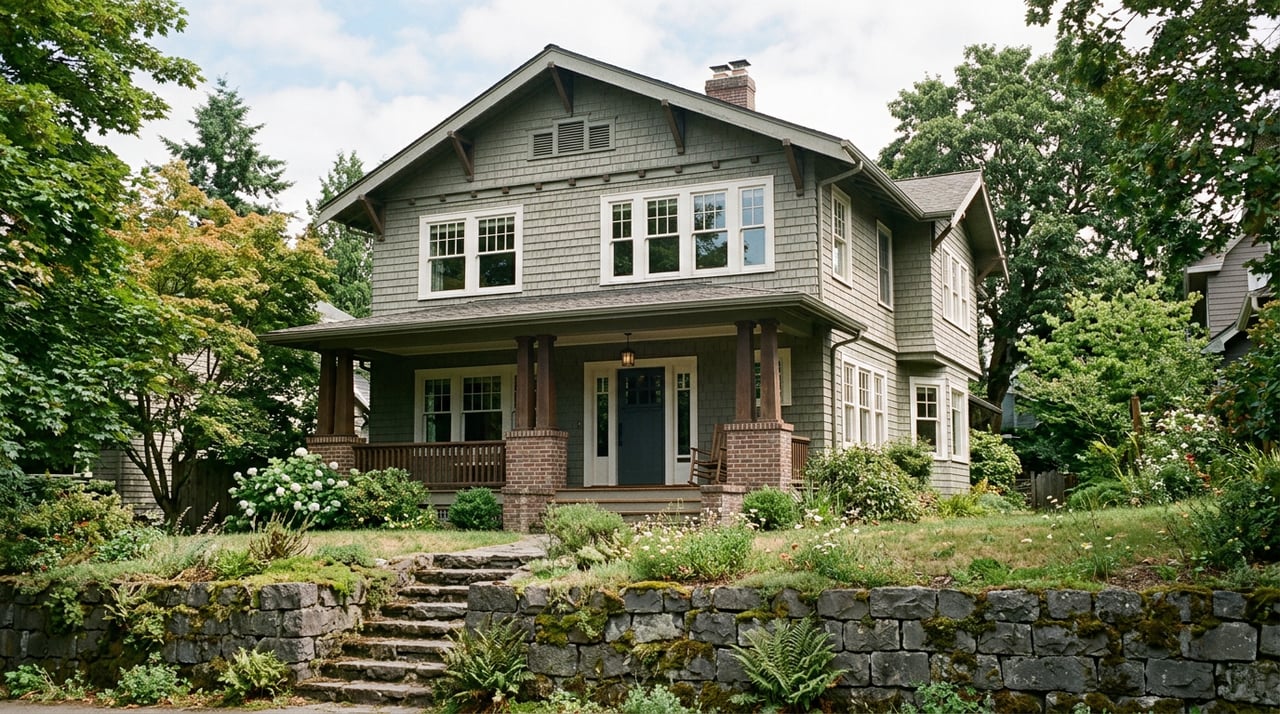
Walk south on 34th Avenue past Hi-Spot Cafe on a Saturday morning and you'll cross Madrona Drive at the same unmarked stretch neighbors have been flagging for two years. Early this year, that stretch got a set of black rubber tubes laid across the pavement near the blind curve at Grand Avenue. The tubes were the Seattle Department of Transportation's Vision Zero team, quietly counting how fast cars actually move through a corridor posted at 25 miles per hour. The data came back, and it did not match the sign.
The count found prevailing speeds on Madrona Drive running close to 34 miles per hour, nine miles over the limit residents drive past every day. That single number is the spine of a story that took an unusual turn this spring: a city agency measured a real problem, said it couldn't fund the fix, and then reversed itself within about eight weeks.
What the Data Actually Showed, and What SDOT Did With It
The push to fix Madrona Drive and 34th Avenue started, according to the organizers themselves, as the concern of one parent. It grew into the Madrona Drive Improvement Coalition, a resident group that took its case directly to SDOT's Vision Zero team, City Council President Joy Hollingsworth's office, and the Mayor's office. Their petition eventually expanded to cover both streets after neighbors said the danger wasn't confined to Madrona Drive alone.
When SDOT installed the counting tubes, the coalition pushed back on placement before the results even came in, arguing the tubes sat in a spot that would underrepresent the downhill speeds drivers hit near the blind curve at Grand Avenue. The final numbers still landed at 34 miles per hour on a 25 mile-per-hour street. By SDOT's own March 2026 account, that gap wasn't enough. The agency told the coalition that given its prioritization framework and limited annual funding, other streets currently ranked higher in need, and Vision Zero-funded traffic calming would not move forward on Madrona Drive at that time.
That should have been the end of it, at least for a budget cycle. It wasn't.
Two Tracks, Running at the Same Time
While SDOT's answer sat on record as a no, the coalition didn't wait on a single channel to change the outcome. In April 2026, longtime neighbor John "Fargo" Hjelmstad began forming a 501(c)(3) focused on funding neighborhood improvements directly, with a specific first target: a sidewalk gap on Madrona Drive between Howell Street and Maiden Lane East. The plan was to pursue Seattle's Neighborhood Matching Fund, which means the group would need to raise its own share of the cost and, per their own update, was actively looking for a civil engineer or surveyor willing to help with permitting on a pro bono or discounted basis.
At the same time, the coalition kept its case in front of the Mayor's office and Council President Hollingsworth, treating the SDOT rejection as one data point rather than a verdict.
Here's what changed between those two updates, laid out side by side:
| As of March 2026 | As of May 18, 2026 | |
|---|---|---|
| Funding status | Vision Zero traffic calming denied; other streets ranked higher | Full corridor improvements officially approved |
| Scope | Under review, no confirmed package | Marked crosswalks, daylighting, all-way stops, traffic calming, protected multi-use path |
| Delivery | Unspecified, contingent on future budget cycles | Queued for summer 2027 |
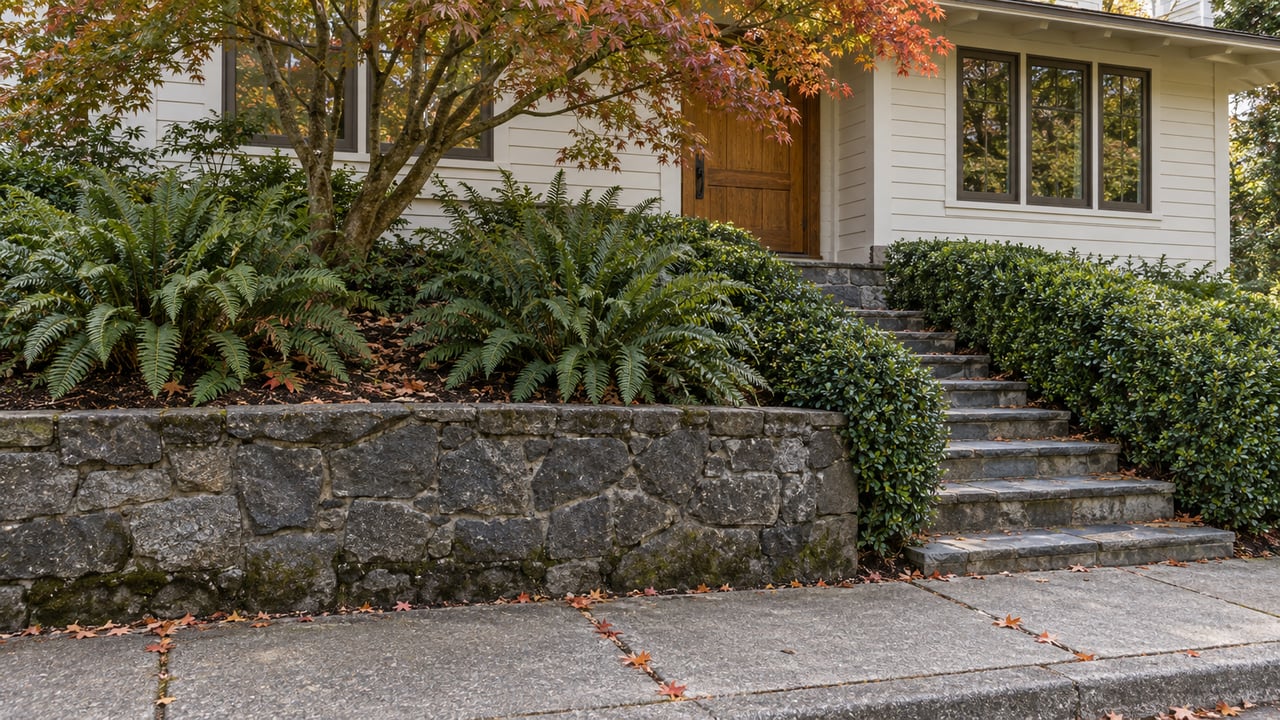
The scope that eventually landed wasn't a scaled-down compromise. It was broader than the original ask, which had centered on speed bumps and completed sidewalks. The May 18 update from the coalition confirmed new marked crosswalks, daylighting improvements to increase visibility at intersections, all-way stop signs at key points, traffic calming measures, and protected multi-use path improvements, all queued for delivery in summer 2027.
The Two Blocks These Fixes Are Meant to Protect
The corridor in question isn't abstract. It's the same two blocks of 34th Avenue that residents already treat as downtown Madrona. Hi-Spot Cafe has operated out of its 1904 Victorian at 1410 34th Avenue for more than three decades, still running weekend brunch lines out the door and up the porch stairs. A few doors down, Naam Thai has served the same stretch from 1404 34th Avenue. Red Cow, Ethan Stowell's steak frites spot, sits at 1423 34th Avenue directly across from that cluster. Madrona Arms, the English-style pub that replaced Madrona Eatery and Ale House in 2015, anchors 1138 34th Avenue. Vendemmia and East Anchor Seafoods share the ground floor of the Madrona Refuge building at 1126 34th Avenue, a block that puts foot traffic from four or five different destinations crossing the same short run of pavement within a few hundred feet.
None of those crossings are currently marked. The daylighting and crosswalk work approved in May addresses exactly this kind of unmarked, high-foot-traffic intersection, the sort where someone walking from Madrona Arms to Hi-Spot for coffee the next morning has been making a judgment call rather than using a striped crossing.
What This Fall Actually Looks Like
None of that construction has started, and none of it will for close to a year. Summer 2027 is the delivery window the coalition announced, which means the corridor residents are walking through this September looks exactly like it did before SDOT ever laid down a counting tube. The blind curve at Grand Avenue is still blind. The sidewalk gap between Howell and Maiden Lane East is still a gap.
What's different is that the plan now has a name, a scope, and a date attached to it, where in March it had none. The parallel track the coalition opened in April hasn't disappeared either. If Hjelmstad's 501(c)(3) forms and raises its share of a Neighborhood Matching Fund award, the sidewalk segment between Howell and Maiden Lane East could move on a faster, separate timeline from the rest of the summer 2027 package, since that fund operates on its own approval and construction cycle independent of SDOT's Vision Zero queue.
For a resident deciding whether to keep walking that stretch after dark, or a parent timing a school-morning crossing, the practical answer for the next several seasons is the same one that applied in March: cross carefully, watch for the curve, and expect the marked version of this walk sometime after summer 2027, not before.
Lisa Turnure keeps an eye on infrastructure changes like this one across every Seattle enclave she covers, because a funded crosswalk timeline says as much about a block's future as its listing history does. If you want the Madrona Drive project tracked as it moves from approval toward groundbreaking, Lisa Turnure is a straightforward way to stay ahead of it.