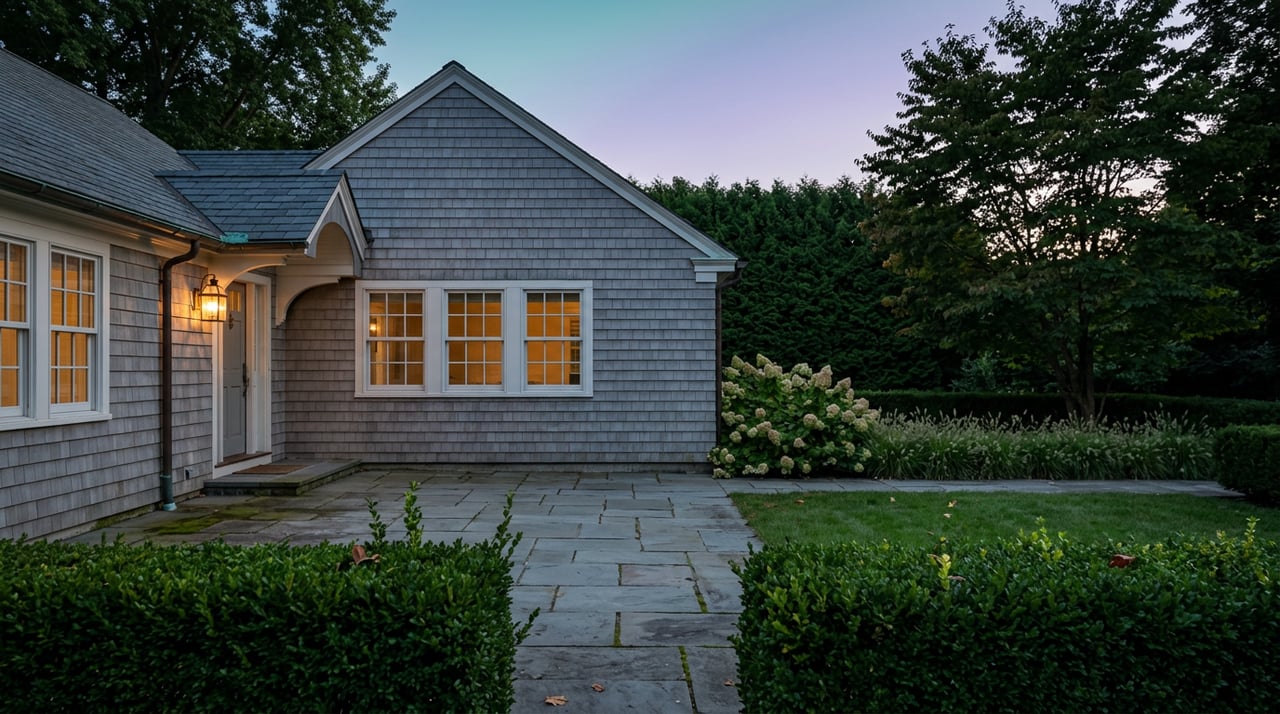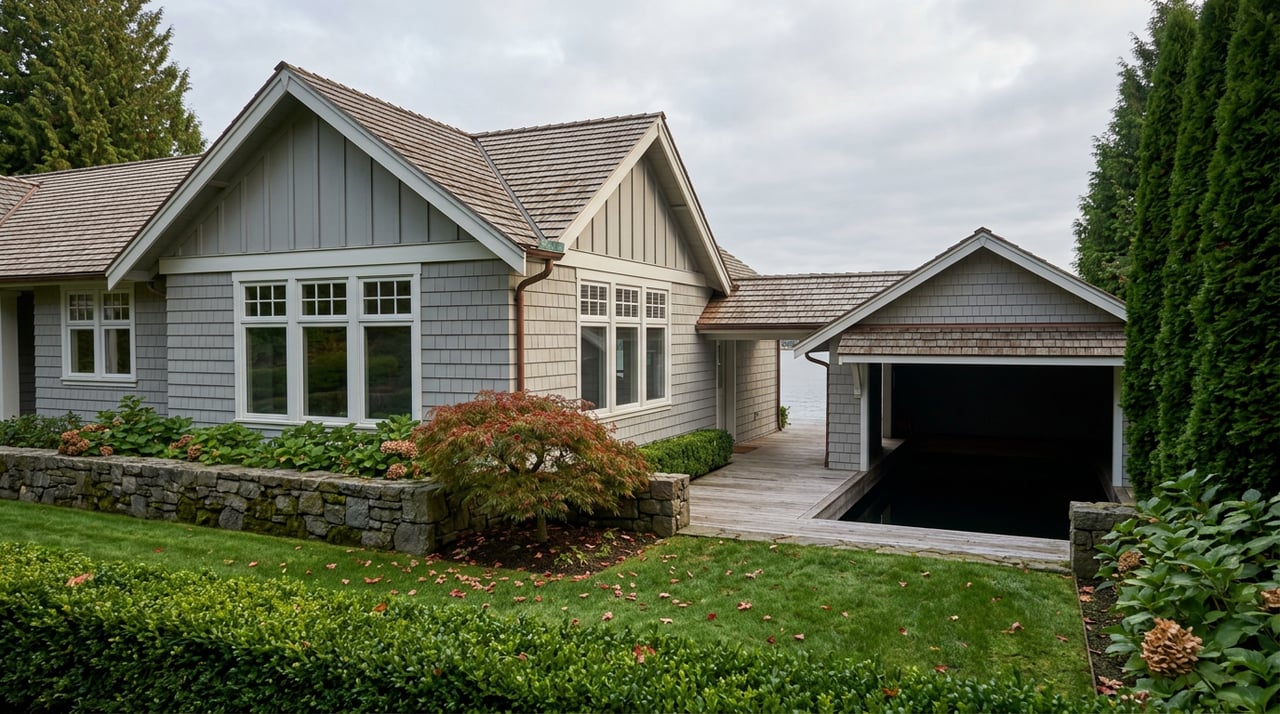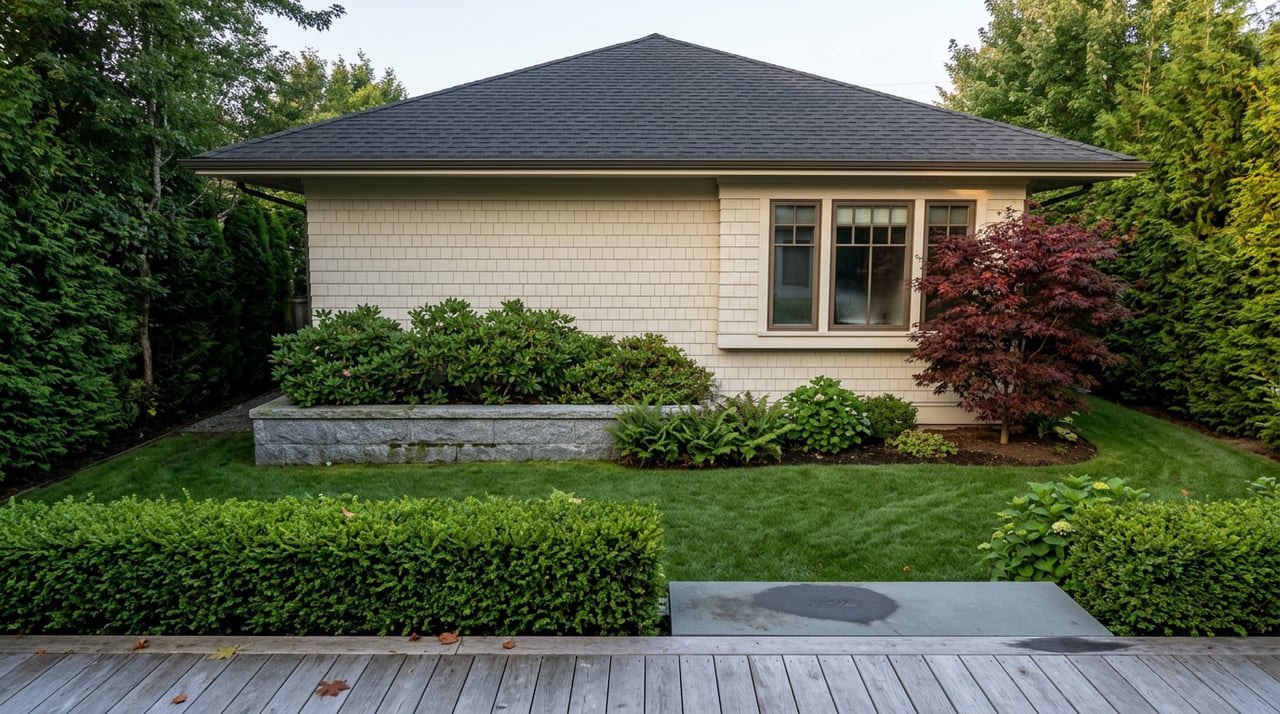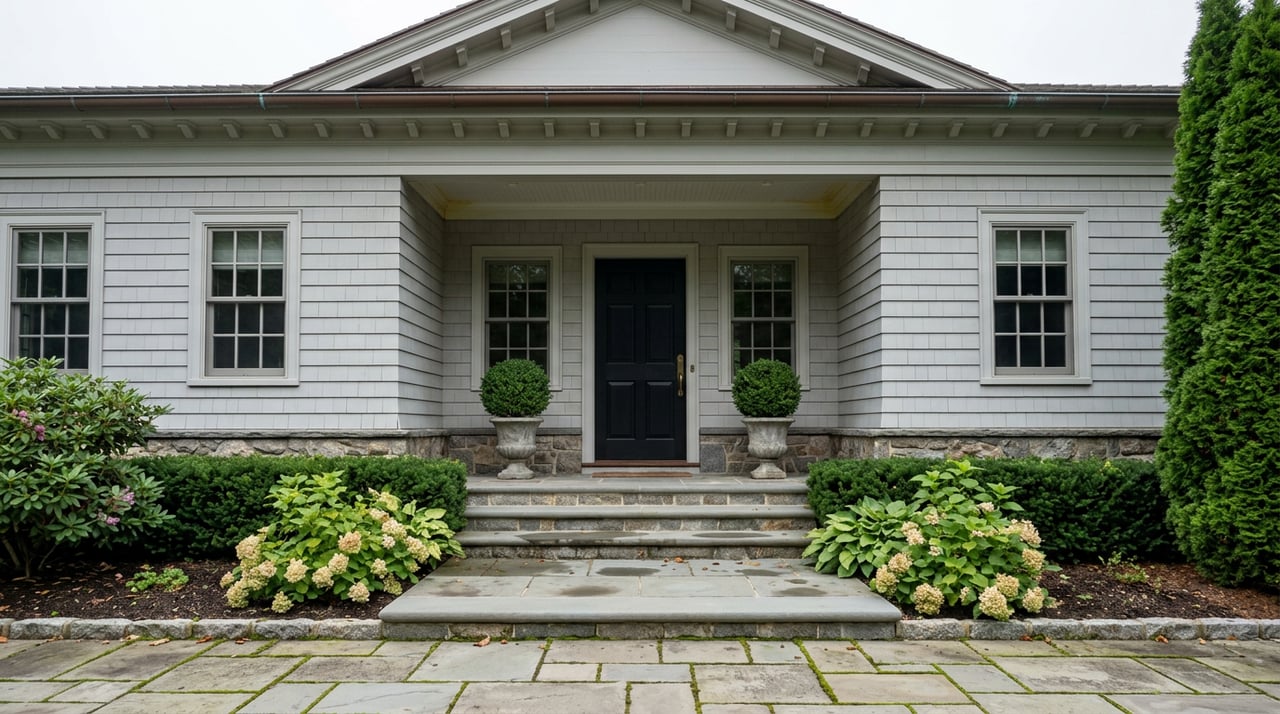
Buying on the water in Windermere is not the same as buying a typical Seattle home. You are not just evaluating a floor plan and finishes. You are also looking at shoreline rules, recorded rights, lot geometry, neighborhood covenants, and a private membership structure that can shape both daily use and long-term value. If you want to buy with confidence, this checklist will help you focus on the issues that matter most. Let’s dive in.
Why Windermere Requires Extra Diligence
Windermere is one of Seattle’s long-established Lake Washington neighborhoods, with roots dating back to 1910 according to the Windermere neighborhood association. King County’s Area 46 report describes it as part of an older, established lakefront market, with about 788 parcels in the Windermere subarea and roughly 47 waterfront sites. The same report notes that typical waterfront homes are often Grade 11 homes from the 1950s and 1960s, which means many buyers are evaluating both the home itself and the underlying land and shoreline characteristics.
That combination is what makes due diligence so important here. In Windermere, a purchase can involve not only the residence, but also shoreline rights, setback questions, club access, and the practical limits on future improvements. On a scarce waterfront lot, small differences in frontage, placement, and permitability can have an outsized impact.
Start With Windermere-Specific Ownership Questions
Before you get too far into finishes and design, confirm what exactly comes with the property. Windermere has a private neighborhood layer that is unusual even by Seattle waterfront standards. The Windermere Corporation and neighborhood association state that membership is restricted to homeowners and provides access to Windermere Park & Beach Club, including the beach, play field, tennis courts, kayak and canoe storage, and boat dock.
That means you should verify whether membership, dues, and key access are current and transferable at closing. New residents receive keys after payment, according to the neighborhood site, so this is not something to assume. It is worth confirming early because private-use amenities can affect both lifestyle and resale appeal.
Review Shoreline Rules Early
Many Windermere waterfront properties fall within Seattle’s shoreline district. Under the City of Seattle’s Shoreline Master Program, land within 200 feet of shorelines such as Lake Washington is subject to shoreline regulations designed to protect shoreline ecosystems, encourage water-dependent uses, and provide public access.
For you as a buyer, the practical point is simple: any planned work near the shoreline should be reviewed before you close. Some projects require a shoreline substantial development permit, some may be exempt, and some may also require a master use permit. Even exempt work still must comply with shoreline regulations, and overwater or in-water development requires SEPA review regardless of project size.
Washington Ecology also notes that the current substantial development threshold for residential docks in fresh water is $28,000, and $13,900 for other freshwater docks, through its shoreline permits guidance. Those figures are best treated as regulatory triggers, not shortcuts. If you are thinking about replacing, expanding, or reconfiguring a dock or other shoreline feature, early permit review matters.
Confirm Docks, Buoys, and Moorage Rights
One of the biggest mistakes waterfront buyers make is assuming an existing dock or moorage setup automatically transfers with the home. It may not. If a property has a dock, float, buoy, or any moorage arrangement, your review should confirm recorded easements, shared-dock rights if applicable, and whether prior work was properly permitted.
Seattle’s shoreline land use permit page and the city’s moorage in state waterways process show how formal this can be. Temporary or permanent moorage in state waterways requires a permit process that includes items such as a site plan, bond, and recorded indemnity agreement. In practice, you want your title and permit review to match what exists on the property today.
Check Windermere Covenants and Design Review
City regulations are only part of the picture. Windermere has its own covenant and approval structure, and that can directly affect your future plans. According to the neighborhood’s design, land use, and construction guidance, almost all properties have setbacks that differ from the City of Seattle’s, and exterior construction requires board review and approval before work begins.
That is especially important if you are buying with remodeling or expansion in mind. A home may look like an easy candidate for renovation on paper, but the combination of city shoreline rules and Windermere-specific setbacks can change what is realistic. Ask for covenant documents and approval procedures as part of your due diligence, not after closing.
Order a Current Waterfront Survey
A current survey is one of the most valuable documents you can review on a Windermere waterfront purchase. Seattle Public Utilities explains in its survey requirements that plans should show property lines, easements, setbacks, contours, steep slopes, topography, significant trees, water features, the ordinary high-water line, and the 100-year floodplain.
That is far more than a simple boundary check. On a waterfront lot, the survey helps you understand how the home sits on the site, where restrictions may apply, and what usable area you truly have. It can also reveal whether your assumptions about frontage, setbacks, or view corridors are accurate.
Inspect Slopes, Drainage, and Retaining Structures
Waterfront beauty often comes with more complex site conditions. Seattle’s geotechnical report guidance notes that site-specific reports may address foundation design, retaining walls, drainage, slope stability, seismic design, and shoring. For steep-slope work, additional approvals may be required before the city even accepts an application.
Seattle Emergency Management also states in its landslide hazard overview that the city has steep hills, wet winters, and geology prone to landslides. About 8.4% of Seattle’s surface is mapped as slide-prone, with much of that area in open space, right-of-way, or single-family residential zones.
For you, that means physical due diligence should go well beyond a basic home inspection. A serious waterfront review should include:
- Dock pilings and float condition
- Bulkhead or seawall condition
- Retaining walls and signs of movement
- Drainage paths and discharge points
- Seepage, settlement, or erosion near the shoreline edge
- Tree-root pressure on hardscape or walls
- Whether the home sits near the top or bottom of a steep slope
If any of these items raise concern, a site-specific specialist review may be warranted before you remove contingencies.
Evaluate Lot Geometry and Orientation
In Windermere, value is often shaped by the site as much as the structure. Research from the Appraisal Institute on scenic views found that view premiums are site-specific and tend to rise with view quality, with higher-quality water views earning the strongest premiums.
That has direct implications for your search. Width, depth, shape, and home placement can affect your view corridor, yard usability, privacy, and remodeling flexibility. A house with similar square footage may feel very different in long-term value if one lot has better orientation, cleaner sightlines, or fewer constraints between the home and the lake.
Separate House Value From Lot Value
This is a key mindset shift for Windermere waterfront buyers. King County’s Area 46 residential report describes the area as older and established, with homes built from 1900 to the present and many typical waterfront homes dating to the 1950s and 1960s.
That means a legacy house may not be the enduring asset in the transaction. In many cases, the lot, frontage, orientation, and development limits are the more durable drivers of value. When you evaluate a property, it helps to ask two separate questions: how well does the existing home serve your needs today, and how strong is the site itself over the long term?
Use a Practical Buyer Checklist
When you are under contract on a Windermere waterfront property, keep your diligence organized. A focused checklist can help you avoid expensive assumptions.
Legal and Title Checklist
- Confirm legal description and waterfront parcel boundaries
- Review title for easements, encroachments, and shared-use rights
- Verify any dock, float, buoy, or moorage rights in recorded documents
- Confirm whether prior shoreline improvements were permitted
- Request Windermere covenant documents and approval requirements
- Verify Windermere Corporation membership status, dues, and key access
Site and Condition Checklist
- Obtain a current survey showing shoreline-related constraints
- Review topography, steep slopes, and drainage patterns
- Inspect dock, float, bulkhead, seawall, and retaining structures
- Look for seepage, erosion, or signs of slope movement
- Assess tree placement and potential root pressure issues
- Confirm the practical usability of yard, shoreline edge, and access areas
Future Plans Checklist
- Ask whether your intended remodel or expansion is realistic under city and neighborhood rules
- Review setback differences unique to Windermere
- Check whether overwater or in-water work may trigger SEPA review
- Understand permit thresholds for future dock-related work
- Consider how orientation and lot geometry affect resale, privacy, and view retention
Buy With Precision, Not Assumptions
Windermere waterfront can be exceptional, but it rewards disciplined analysis. The right property can offer lasting enjoyment, meaningful access to Lake Washington, and strong long-term appeal. The wrong assumptions about permits, rights, slopes, or covenants can be costly.
That is why a careful buyer approach matters here. When you combine local market knowledge with detailed legal, physical, and neighborhood review, you put yourself in a much stronger position to buy well. If you are considering a Windermere waterfront purchase and want a measured, detail-oriented advisory process, connect with Lisa Turnure.
FAQs
What makes Windermere waterfront homes different from other Seattle homes?
- Windermere waterfront purchases may involve shoreline regulations, dock or moorage rights, neighborhood covenants, setback differences, and private Windermere Corporation membership in addition to the house itself.
Do Windermere waterfront remodeling projects need shoreline review?
- Some projects require shoreline permits, some may be exempt, and even exempt work still must comply with shoreline rules. Overwater or in-water development also requires SEPA review.
Can a Windermere waterfront dock automatically transfer with the property?
- You should not assume that. Buyers should verify title, recorded easements, permits, and any related moorage documents before closing.
Does Windermere Park & Beach Club membership come with every Windermere home?
- The neighborhood association states that membership is restricted to homeowners, so buyers should confirm membership status, dues, and key access during the transaction.
Why is a survey important for a Windermere waterfront purchase?
- A current waterfront survey can show property lines, easements, setbacks, contours, steep slopes, water features, the ordinary high-water line, and other details that affect use and future plans.
What site conditions should buyers inspect on Windermere waterfront lots?
- Buyers should pay close attention to dock and float condition, bulkheads or seawalls, retaining walls, drainage, seepage, erosion, settlement, and the home’s relationship to any steep slope.