Buying a luxury condo in downtown Seattle is not just about picking the prettiest view. You are also choosing a building, a service model, a monthly cost structure, and a long-term position in one of the Northwest’s most dynamic urban markets. If you want to buy well, you need to look past the lobby and into the details that shape daily life and future resale. Let’s dive in.
Start With Downtown Fit
Downtown Seattle is a real residential market, not just a workplace district. The Downtown Seattle Association estimates about 109,845 residents and 317,579 jobs in the downtown core in 2025, with more than 1,600 multifamily homes added in 2025 and another 3,300 under construction. That matters because you are buying into a neighborhood that is still evolving as a mixed-use residential district.
This also means your exact location within downtown matters more than many buyers expect. Lifestyle, access, views, and future demand can vary meaningfully from one part of downtown to another.
Compare Downtown Micro-Locations
The west edge of downtown appeals to buyers who want waterfront access, ferry convenience, and proximity to Pike Place Market. The city’s Waterfront Seattle rebuild added a park promenade, 20 acres of new public space, three new pedestrian bridges, and a stronger connection from Pike Place Market to the waterfront. For luxury buyers, that kind of public-realm improvement can support both enjoyment and resale appeal.
Belltown offers dense urban living and strong proximity to dining and daily conveniences. Denny Triangle and nearby South Lake Union tend to attract buyers looking for newer towers and easier access to major job centers. Pioneer Square and the International District/Chinatown stand out for strong station access and a more historic urban setting.
Prioritize Lifestyle Access
For many luxury buyers, convenience is part of the value equation. Downtown Seattle posts a 98 Walk Score and 100 Transit Score, and the core light-rail stations include Westlake, Symphony, Pioneer Square, and International District/Chinatown. The Downtown Seattle Association also reports more than 9.2 million downtown-station boardings in 2025, which shows that car-light living is practical here.
That does not mean parking stops mattering. It means you should decide how you want to live before you choose a building. Some buyers want two secure parking spaces and easy garage access, while others would gladly trade that for stronger walkability, better views, or a more service-oriented tower.
Ask Yourself These Questions
- Do you want to walk to restaurants, retail, and the waterfront?
- Will you rely on light rail for airport or regional access?
- How often will you actually use a car?
- Do you need guest parking, extra storage, or bike space?
- Would a west-facing or water-oriented location improve your day-to-day lifestyle?
Evaluate the Building, Not Just the Unit
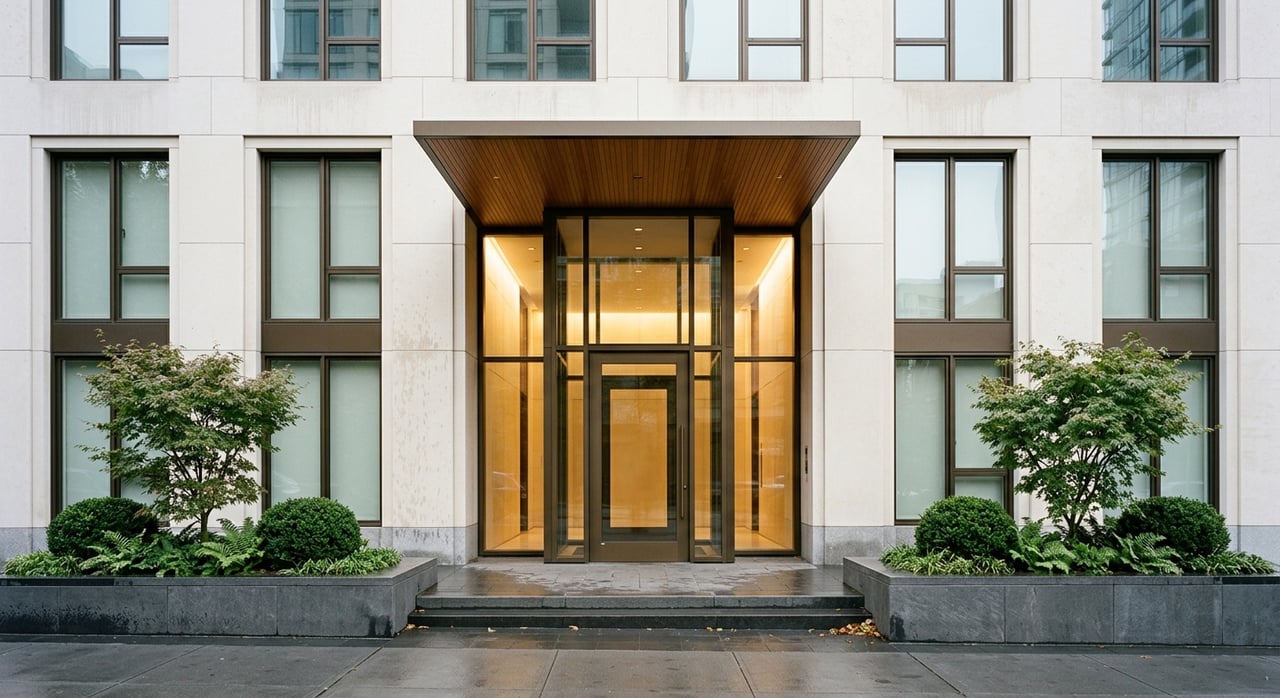
In the luxury condo market, the building itself often matters as much as the residence. Two units with similar square footage can feel very different based on concierge service, privacy, elevator access, common spaces, and HOA management. This is where disciplined comparison pays off.
The right question is not, “Is this a luxury tower?” The better question is, “Does this building’s service model and cost structure match how I want to live?”
Compare Amenity Packages Carefully
Luxury buildings in downtown Seattle offer very different experiences. Four Seasons Private Residences Seattle is the clearest benchmark for service-heavy living, with a smaller residence count, waterfront positioning, rooftop infinity pool, and residence dining. Buyers drawn to privacy and hospitality often use it as a reference point.
The Emerald represents a newer walkable tower with 24/7 concierge service, a full-floor rooftop amenity area, a guest suite, fitness and yoga space, and pet amenities. Spire leans more modern and tech-forward, with five levels of common spaces, co-working, a theater, a rooftop club, and automated parking. 1521 Second Avenue shows how a mature building can stay competitive with 24-hour concierge, a rooftop sky lounge, and work-from-home-oriented spaces.
Amenities only add value if you will use them. A rooftop lounge, dog run, guest suite, or co-working space can be meaningful for one buyer and irrelevant for another. Monthly dues should reflect real utility, not just a long marketing list.
Look Closely at Floor Plan and Views
At the top end of the market, floor plan quality often matters more than raw square footage. A well-oriented two-bedroom with strong corner exposure and a meaningful view corridor may live better than a larger home with awkward layout or limited privacy. You should assess how the residence functions throughout the day, not just how it photographs.
Pay attention to ceiling height, window scale, balcony usability, natural light, and room placement. In towers that emphasize expansive glass and panoramic outlooks, the details of orientation and floor level can dramatically shape value.
What Makes a View Valuable
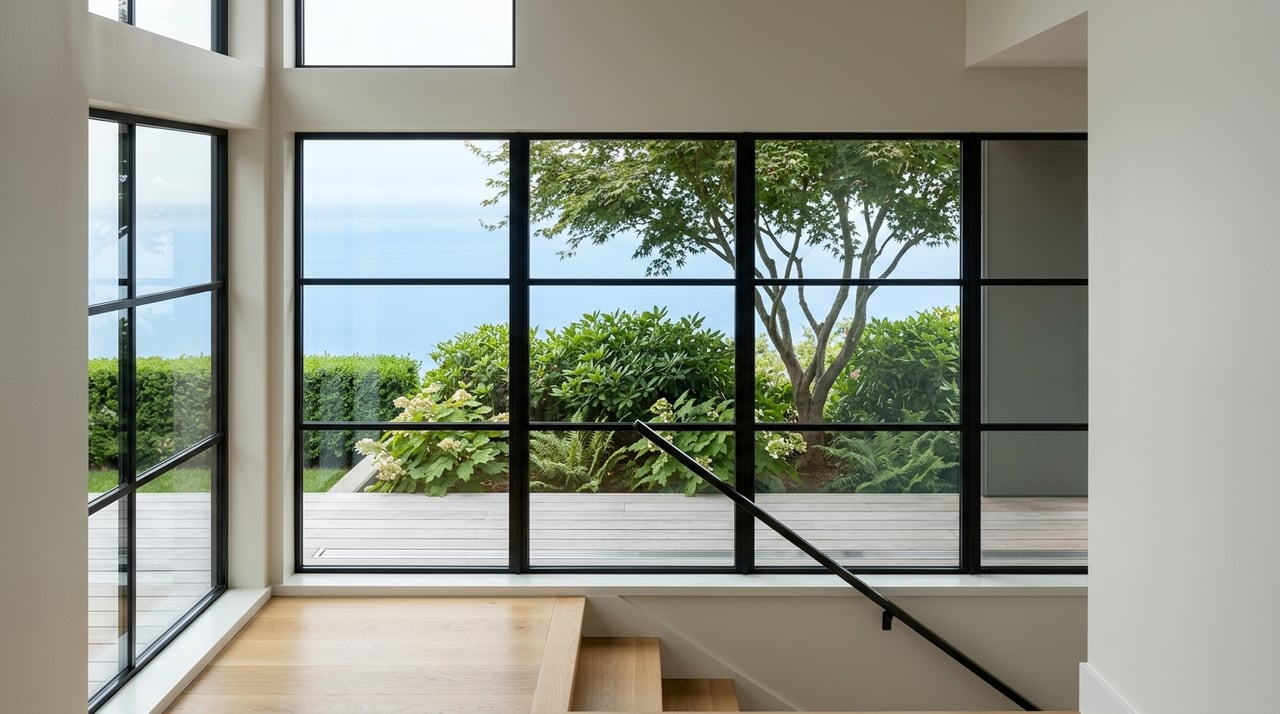
Not every view premium is equal. A dramatic Elliott Bay, mountain, or skyline view may justify a higher price, but you should also ask whether the view feels usable in daily life. The best views are often the ones you enjoy from primary living spaces, not just from one corner of a room.
You should also consider neighboring development pressure. A unit’s privacy, quiet, and long-term outlook can depend on floor level, orientation, and what may change around it over time.
Understand Newer vs. Established Towers
Many luxury buyers assume newer is always better. In reality, newer buildings may offer fresh design language and current amenities, while older buildings may have a longer ownership history and a more established reserve track record. The tradeoff is rarely simple.
For example, 1521 Second Avenue dates to 2006 and has a long operating history, while newer towers like The Emerald and Spire emphasize recently built amenity packages and contemporary finishes. Your decision should come down to risk tolerance, design preference, and how much certainty you want around future upgrades and building cycles.
Resale Supply Matters
Some of downtown Seattle’s headline luxury buildings are already sold out or close to sellout. That means many buyers today are comparing resale opportunities in established towers against a smaller set of new-construction options. In practice, this makes building history, HOA quality, and unit-specific value even more important.
Review HOA Health With Discipline
This is one of the most important parts of the process. In Washington, condo resale disclosures are designed to give buyers meaningful information before closing. Before execution of a purchase contract or conveyance, the seller must provide a resale certificate that includes the monthly common expense assessment, unpaid assessments, and reserve-study status, and the association may charge no more than $275 to prepare it.
For a luxury condo buyer, this is not paperwork to skim. It is one of the clearest windows into the building’s financial condition.
Key HOA Documents to Review
- Resale certificate
- Current monthly dues
- Reserve-study status
- Annual budget
- Annual financial statements
- Audit reports, when applicable
- Pending or recent special assessments
- House rules covering pets, leasing, storage, and use of amenities
Washington law also requires associations to keep detailed financial records and prepare an annual financial statement. Condominiums with 50 or more units must be audited annually by a CPA. In a luxury tower, these records can tell you far more than marketing materials about whether dues are supporting real long-term maintenance.
Reserve Studies Matter
Washington law expects associations with significant assets to prepare and update reserve studies annually unless that would create unreasonable hardship. If a current reserve study does not exist, that absence must be disclosed. For buyers, the practical takeaway is simple: you want to know whether the building is planning ahead or merely reacting to expenses.
A building with underfunded reserves may still be attractive, but you should understand the implications before you commit. Future assessments, deferred projects, or major system work can change your real cost of ownership.
Review Insurance and Resilience
Luxury buyers should also think about building resilience, especially in a dense urban setting. Redfin’s First Street data flags Downtown Seattle with major flood risk and moderate heat risk over the next 30 years. That makes it worth asking how a building handles drainage, garage protection, mechanical-room placement, and related insurance exposure.
Washington law requires the association to maintain property and liability insurance to the extent reasonably available. You should review deductibles, exclusions, and whether owner improvements are covered. This is especially important in towers with substantial amenities, shared mechanical systems, and structured parking.
Check Rental Rules Before Closing
If rental flexibility matters to you, confirm the rules early. Seattle’s short-term rental rules require licensing, generally limit most operators to two units, and state that renters may not obtain operator licenses except for certain legacy downtown situations. On top of that, condo associations can impose rules that are stricter than the city’s rules.
That means you should never assume a luxury condo can be used the way you want just because it is downtown. Leasing policy, minimum rental terms, and short-term rental restrictions should all be verified before you move forward.
Think About Long-Term Demand
Downtown Seattle is still in transition. The Downtown Seattle Association’s 2026 report says residential growth and visitation are improving, while office vacancy remains above 30%, and the city is promoting office-to-residential conversions as part of its Downtown Activation Plan. For you as a buyer, that suggests long-term value may be tied more closely to livability, transit access, and neighborhood activation than to office recovery alone.
That is why the best luxury condo purchase is usually the one that balances personal enjoyment with durable fundamentals. In this market, that means strong location within downtown, thoughtful building management, practical amenities, quality service, and a clear understanding of the HOA’s financial position.
Build a Smart Luxury Condo Checklist
Before you make an offer, narrow your search with a practical framework:
- Choose the downtown subarea that fits your daily routine
- Rank your must-have amenities versus nice-to-have features
- Review parking, storage, and access needs honestly
- Study floor plan efficiency, light, privacy, and view orientation
- Review the resale certificate and reserve-study status carefully
- Check budgets, audits, and any assessment history
- Review insurance structure and owner coverage questions
- Confirm leasing, pet, and short-term rental rules
- Consider the building’s age relative to future upgrade cycles
- Think about how the tower will compete on resale later
A luxury condo purchase should feel measured, not rushed. The right residence is not just impressive today. It should also make sense financially, function smoothly in daily life, and hold its appeal in a changing downtown market.
If you want a discreet, analytical perspective on Seattle luxury real estate, Lisa Turnure offers experienced guidance shaped by local market knowledge and disciplined deal evaluation.
FAQs
What should you look for in a downtown Seattle luxury condo building?
- Focus on the building’s location, service model, amenities you will actually use, HOA financial health, reserve-study status, parking setup, and resale potential.
How important are HOA documents for a Seattle luxury condo purchase?
- HOA documents are critical because they can reveal monthly assessments, reserve funding, financial condition, audits, unpaid assessments, and potential future costs.
Which parts of downtown Seattle suit different condo lifestyles?
- The west edge tends to favor waterfront access and proximity to Pike Place Market, while Denny Triangle and South Lake Union often appeal to buyers seeking newer towers and job-center convenience.
Are newer downtown Seattle condo towers always better than older ones?
- Not necessarily. Newer towers may offer newer amenities and design, while established towers may provide a longer operating history and a clearer reserve and ownership track record.
Can you use a downtown Seattle luxury condo as a short-term rental?
- You need to verify both city rules and HOA rules, since Seattle regulates short-term rentals and condo associations may impose stricter restrictions.
Why do transit and walkability matter for downtown Seattle condo value?
- Downtown Seattle’s strong walkability and transit access support everyday convenience and can strengthen long-term appeal for future buyers who want a more car-light lifestyle.