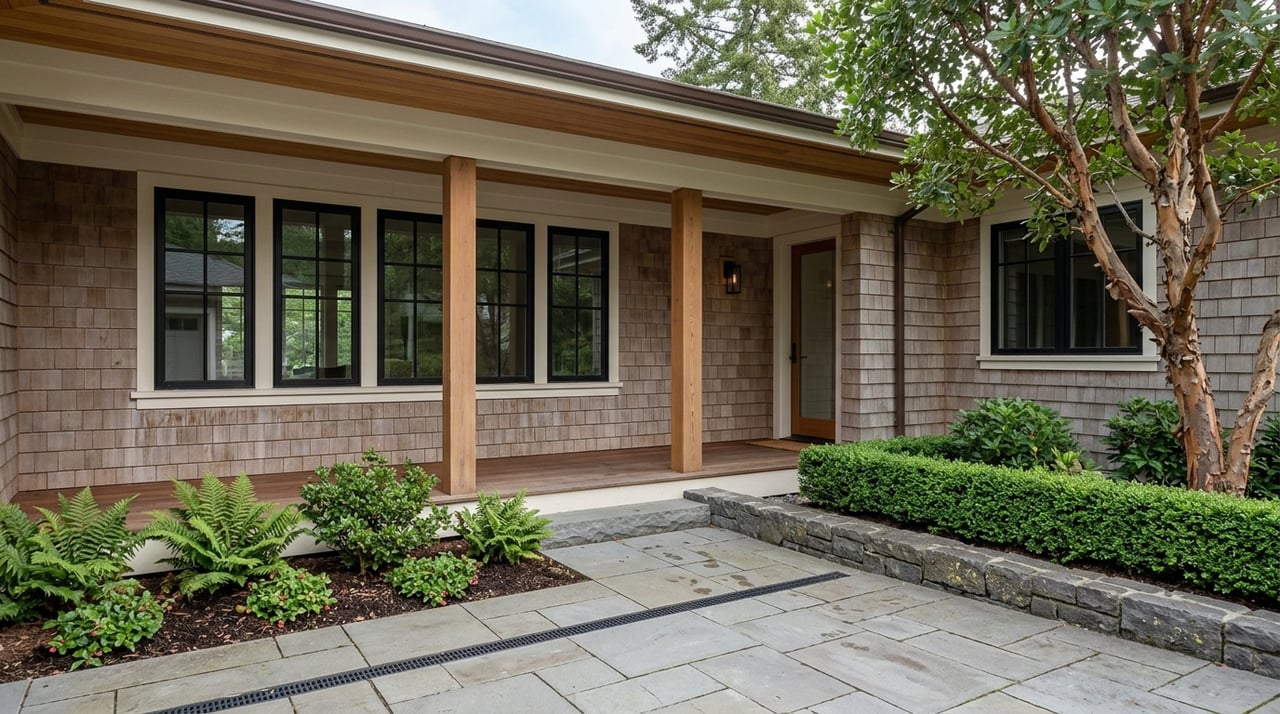
What makes a second home feel like a smart move in the San Juan Islands? It is rarely just the view, the acreage, or the idea of future appreciation. In this market, your ownership experience is shaped just as much by ferry access, tax structure, and rental rules as it is by the home itself. If you are considering San Juan Island, Orcas, Lopez, or Shaw, this guide will help you think about a second home as a lifestyle investment first and a financial asset second. Let’s dive in.
Why the San Juans Are Different
San Juan County is made up of 176 named islands and reefs, with San Juan, Orcas, Lopez, and Shaw as the largest islands. Friday Harbor serves as the county seat on San Juan Island, and the county itself frames island life around privacy and personal freedom. That helps explain why many buyers choose the San Juans for the way they want to live, not only for what a property might produce on paper.
That distinction matters. In many resort markets, buyers focus heavily on nightly rental income and future development. In the San Juans, geography, access, and land-use controls create a more measured ownership landscape.
The county also uses land-bank revenue to preserve natural heritage and potable water. In practical terms, that supports a market shaped by scarcity rather than constant expansion. For second-home buyers, that makes the islands feel more protected, but it also means you need to evaluate each property with care.
Ferry Access Shapes Daily Ownership
For most owners, Washington State Ferries is the backbone of access. San Juan County describes the ferry system as central to island life, and the route operates year-round. That gives buyers a dependable connection in broad terms, but it does not remove the need for planning.
The Anacortes to San Juan Islands route is highly schedule-sensitive. Vehicle reservations are available and recommended, and the county notes that the route now runs on a two-season schedule, with off-peak service in effect for much of the year. If you expect frequent visits, guest arrivals, or regular service appointments, that rhythm becomes part of ownership.
Costs matter here too. WSDOT currently lists an Anacortes to Friday Harbor adult fare of $18 and a standard vehicle and driver fare of $86.25. Those travel costs may not be the deciding factor for a luxury buyer, but they are part of the recurring friction that separates a spontaneous weekend trip from a more intentional one.
Why island choice affects convenience
Not every island offers the same level of ease. The county notes that eastbound reservations are currently available only for Friday Harbor and Orcas, while eastbound reservations for Lopez and Shaw are planned in the long-range system. For owners who expect regular in-and-out use, that can make San Juan Island and Orcas more practical choices.
If your priority is privacy and slower pacing, that extra friction may be completely acceptable. If your second home needs to support frequent short stays, visitors, or a more flexible schedule, access should carry more weight in your decision.
Holding Costs Matter More Than Buyers Expect
A lifestyle purchase can still benefit from disciplined analysis. One of the most useful early steps is understanding the real carrying cost of ownership, especially since property-tax rates vary meaningfully by location within the county.
San Juan County’s 2026 assessment booklet shows examples ranging from 3.7095483421 per $1,000 in Shaw area 101 to 6.8042212756 per $1,000 in Friday Harbor area 490. San Juan Island areas 493, 495, 498, and 499 are listed at 6.5908727779 per $1,000. On a $2 million assessed value, that translates to roughly $7,419 to $13,608 per year before insurance, maintenance, utilities, and ferry-related travel.
That range is significant. Two properties with similar price points can feel very different once taxes and recurring logistics are factored into the annual budget.
Purchase-side taxes and fees
Buyers should also plan for transfer-related costs. San Juan County states that its Land Bank/REET tax is paid by the purchaser at 1% of the selling price, with proceeds used to preserve natural heritage and protect potable water.
The county also lists local REET components for Capital Projects at 0.50%, Housing at 0.50%, and Conservation Land Bank at 1.00%, alongside Washington’s graduated state REET. For second-home buyers, that means acquisition costs deserve the same scrutiny as the list price.
Rental Income Is Possible, but Not Automatic
Many buyers ask whether a San Juan Islands second home can offset costs through short-term rental income. The short answer is that demand may be there, but supply is tightly regulated, and eligibility depends heavily on the property’s legal and land-use status.
San Juan County requires a permit to rent a single-family residence or eligible ADU for fewer than 30 days. The county also states that no new vacation-rental applications are currently being accepted except for narrow Eastsound and Lopez Village Commercial exceptions. That sharply changes the investment equation for buyers hoping to add income later.
The county caps permits at 337 on San Juan Island, 211 on Orcas, 135 on Lopez, and 10 on the outer islands. It also states that Shaw and Waldron do not allow short-term vacation rentals. So while some homes may have valuable rental positioning, many others should be viewed as personal-use properties first.
Land-use status can determine future flexibility
A home’s setting and utility connection can matter as much as the home itself. The county says vacation rentals are not allowed in natural shoreline, conservancy shoreline, agricultural resource, or forest resource designations, or on parcels connected to the Town of Friday Harbor water system.
There are also notable exceptions. Homes in master planned resort zoning, including Roche Harbor Resort, are exempt from permit caps. That means two homes with similar finishes and views may have very different long-term income potential based on zoning and permit history.
Ongoing rental compliance is substantial
If a property is already positioned for short-term rental use, buyers should still account for the ongoing admin load. San Juan County requires annual vacation-rental compliance certification, with fees of $145 online or $160 by paper.
Active rentals need a UBI and must pay state sales and lodging tax. The county also states that furnishings, linens, kitchen items, electronics, hot tubs, and similar rental property are subject to personal property tax and must be listed annually by April 30. Missing that deadline can lead to penalties of up to 25% and may jeopardize the permit.
For some owners, that is a manageable tradeoff. For others, it confirms that a low-friction personal retreat is the better fit.
Which Island Fits Your Goals?
The right island depends on how you plan to use the property. Convenience, privacy, and optional income rarely align perfectly, so it helps to be honest about your real pattern of use.
San Juan Island and Friday Harbor
San Juan Island is usually the easiest fit for buyers who want practical access. Friday Harbor is the ferry hub and administrative center, which can simplify arrivals, service coordination, and guest logistics.
That convenience comes with tradeoffs. Friday Harbor sits in one of the county’s higher-rate tax areas, and parcels tied to the Town of Friday Harbor water system cannot be used as vacation rentals. If ease of use matters more than absolute seclusion, San Juan Island often stands out.
Orcas Island
Orcas is the county’s largest and hilliest island, with Eastsound Village as its commercial center. The county describes the population as clustered in hamlets, giving the island a strong destination feel while still offering access to village services.
For many second-home buyers, Orcas strikes a compelling balance. You can get privacy, views, and a getaway atmosphere without giving up all convenience.
Lopez Island
Lopez is described by the county as historically agricultural, relatively flat, open, and pastoral. The island also includes seven county day parks and one county camping park, reinforcing its quiet, low-density character.
That profile often appeals to buyers who plan to use the home themselves and value a slower pace. Rental upside is more limited, though, given the county permit caps and the current moratorium on new vacation-rental applications.
Shaw Island
Shaw is the most privacy-oriented option of the four. The county describes narrow roads, a small store at the landing, one park and campground, and no commercial amenities.
Short-term vacation rentals are not allowed on Shaw. If your vision is a deeply personal retreat, Shaw may fit beautifully. If your goal includes income flexibility, it is usually the weakest match.
How to Evaluate a Second Home as a Lifestyle Investment
In the San Juans, the strongest purchase is usually the one that matches your habits. A property that looks ideal online can feel less compelling if ferry scheduling, tax exposure, or rental restrictions do not align with how you actually plan to use it.
A practical evaluation often comes down to a few core questions:
- How often will you realistically visit?
- Do you want easy guest access or maximum privacy?
- Is short-term rental income essential, optional, or irrelevant?
- What level of recurring admin are you willing to manage?
- How do taxes, ferry travel, and maintenance affect your annual carrying cost?
When you answer those questions honestly, the right island usually becomes clearer. San Juan Island often wins on convenience, Orcas on destination appeal, Lopez on low-key lifestyle, and Shaw on privacy.
The best second home here is rarely the one with the broadest theoretical upside. It is the one whose access, tax profile, and regulatory status support the way you want to live.
If you are weighing a second-home purchase in the San Juan Islands, a measured strategy can help you avoid costly mismatches and focus on properties that truly fit your goals. For discreet, data-driven guidance on luxury and resort-market opportunities, connect with Lisa Turnure.
FAQs
What makes San Juan Islands second homes lifestyle investments?
- In the San Juans, buyers often prioritize privacy, personal use, and long-term enjoyment, while ferry access, holding costs, and rental rules shape the investment side of ownership.
What should buyers know about San Juan Island ferry access?
- Washington State Ferries provides year-round service, but schedules and reservations can strongly affect convenience, especially for owners planning frequent visits or guest travel.
Can you use a San Juan County second home as a short-term rental?
- Some properties may qualify, but San Juan County requires permits, limits permit counts by island, and currently is not accepting new vacation-rental applications except for narrow exceptions.
Are all San Juan Island properties eligible for vacation rentals?
- No. The county states that vacation rentals are not allowed in certain shoreline and resource designations or on parcels connected to the Town of Friday Harbor water system.
How do property taxes vary across San Juan County?
- Property-tax rates vary by tax code area, and the county’s 2026 examples show a wide range that can materially change annual ownership costs.
Which San Juan Island is best for a second home?
- The best fit depends on your priorities: San Juan Island for convenience, Orcas for destination appeal, Lopez for a quieter pastoral lifestyle, and Shaw for privacy-focused personal use.