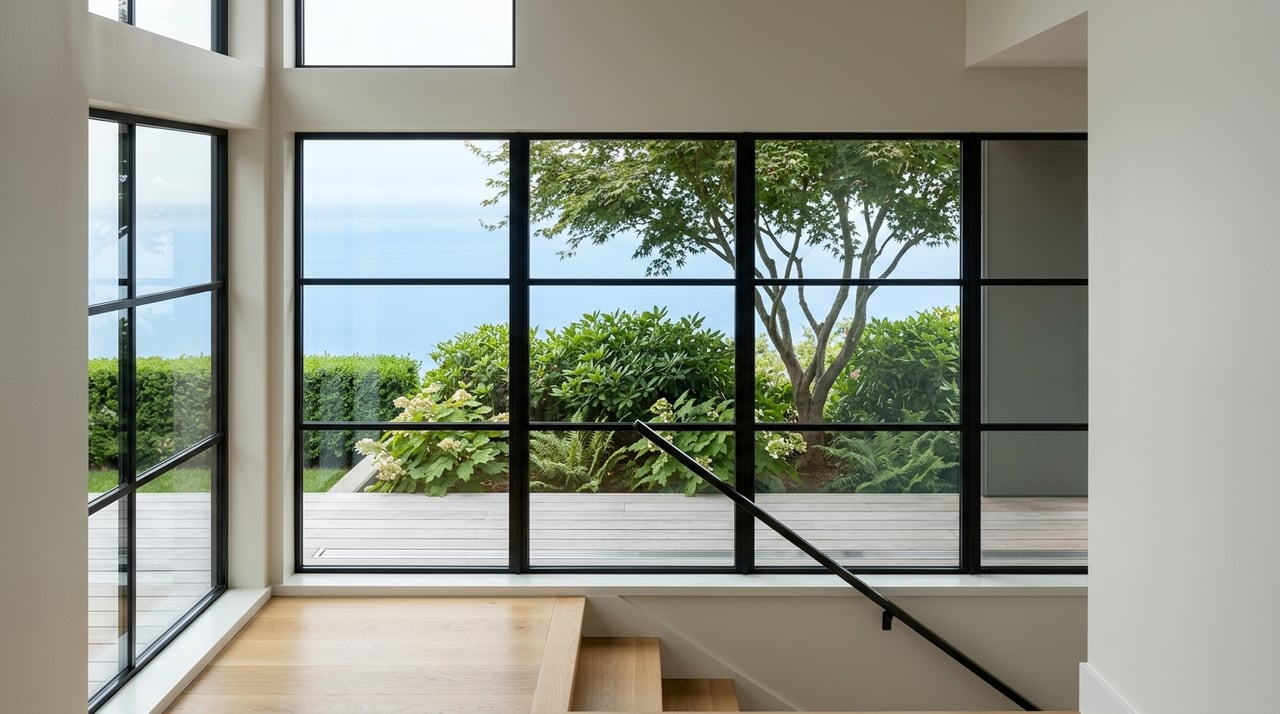
If you want a Seattle view home, one question matters fast: which hill actually fits the way you live? A great view can come with trade-offs in access, housing style, and day-to-day convenience, so it helps to compare more than the view itself. In this guide, you’ll see how East Queen Anne stacks up against Capitol Hill and Magnolia so you can narrow your search with more confidence. Let’s dive in.
Why Queen Anne Stands Out
Queen Anne works as a strong middle ground because it blends scenic appeal with close-in city access. Seattle’s historic context materials describe the neighborhood as attractive early on for its territorial and water views, along with its relative accessibility to the city.
That balance still helps explain Queen Anne today. The neighborhood includes a pedestrian-oriented Uptown center, a more park-like residential core, and protected single-family areas, which creates a wider mix of housing than many buyers expect.
For view-home shoppers, that range matters. In and around East Queen Anne, you can find condos, apartments, and detached houses, especially as you move toward the south slope and higher elevations.
East Queen Anne View Geography
Not every part of Queen Anne offers the same experience. The strongest view locations are generally on the south slope and at higher elevations, where the historic record notes sweeping city views.
That geography gives East Queen Anne a distinct advantage for buyers who want skyline outlooks without giving up a central Seattle location. It also helps explain why view properties here often carry lasting appeal across different housing types.
Housing Mix in Queen Anne
Queen Anne has grown in layers over time. Historic materials point to large lots and substantial homes in earlier development, followed by later waves of Craftsman bungalows, period-revival cottages, and more apartment construction after 1925 and after World War II.
For you as a buyer, that means the neighborhood is not one-note. You may be comparing a classic detached home, a smaller cottage, or a view-oriented condo instead of being limited to one format.
Capitol Hill: More Urban and Transit-Connected
If Queen Anne feels balanced, Capitol Hill feels more urban. Seattle planning documents describe the First Hill and Capitol Hill Regional Center as a centrally located hub of nightlife, urban living, and institutional campuses next to Downtown and South Lake Union.
Capitol Hill is also the strongest option here for transit access. The area includes Link light rail and a streetcar line, and the neighborhood is shaped around walking, biking, and mixed-use streets, especially near Broadway.
What the Housing Feels Like
Capitol Hill’s housing pattern is denser than Queen Anne’s. In the East Core District, average lots are about 4,600 square feet, and the area is characterized by closely scaled houses, duplexes, and small apartment buildings.
That often translates into a different kind of view-home search. Instead of larger-lot hillside houses, you are more likely to find compact urban properties, condos, and apartments with less emphasis on yard space.
Who Capitol Hill May Suit Best
If you want energy, convenience, and transit access, Capitol Hill deserves a close look. Official city planning materials describe the area as skewing younger, with more adults in their 20s and 30s and relatively fewer households with children.
That does not make it better or worse than Queen Anne. It simply means the setting tends to feel more like a dense urban core than a traditional single-family view district.
Magnolia: More Private and More Secluded
Magnolia offers a very different experience from both Queen Anne and Capitol Hill. City landmark materials describe it as a peninsula neighborhood that is topographically distinct and physically isolated from the rest of Seattle, with Puget Sound to the west, the Ship Canal to the north, and Elliott Bay to the south.
For buyers focused on privacy and separation, that setting can be a real advantage. Magnolia Bluff is specifically noted for panoramic water and city views, and the neighborhood’s overall identity is more residential and removed.
Housing Pattern in Magnolia
Magnolia’s housing stock leans more strongly toward single-family homes. The area developed later on the plateau, with larger parcels and many homes from the 1950s and 1960s, and the dominant building type is one- and two-story historic-revival or contemporary single-family dwellings.
Compared with Capitol Hill, this usually means more lot-oriented living. Compared with Queen Anne, it means less variety in housing format but often more separation between homes.
The Access Trade-Off
Magnolia’s biggest trade-off is access. According to Seattle Department of Transportation, there are only four bridge connections to Magnolia, and the city continues planning for bridge replacement and emergency closure scenarios.
That does not rule Magnolia out, but it should factor into your decision. If commute flexibility and route resilience matter to you, Queen Anne may feel easier on a daily basis.
Queen Anne Vs Other Seattle Hills
Here is the simplest way to think about the three neighborhoods.
- Queen Anne offers the best all-around balance of views, central access, walkable pockets, and housing variety.
- Capitol Hill is the most transit-connected and urban, with a stronger condo and apartment feel.
- Magnolia is the most secluded and single-family oriented, with stronger separation from the city grid.
For many buyers, Queen Anne lands in the sweet spot. You get close-in access and strong view potential without committing fully to either the densest urban environment or the most isolated residential setting.
How East Queen Anne Fits Family Logistics
If school access is part of your planning, East Queen Anne has a useful mix of nearby patterns. John Hay Elementary states that its reference area serves upper and lower East Queen Anne south to Denny Street, while Queen Anne Elementary is an option school with no attendance-area boundary.
That gives the area a blend of neighborhood-school and choice-school context. Magnolia also has nearby neighborhood school options, while Capitol Hill’s school access sits within a denser urban core.
It is best to verify current assignment or enrollment details directly when you are narrowing down a specific address. For neighborhood selection, though, East Queen Anne offers a practical middle ground here as well.
Market Context for Queen Anne
The broader Queen Anne neighborhood snapshot shows a median household income of $113,753, with 63.5% renter households and 74.4% of residents holding a bachelor’s degree or higher. That snapshot covers a broader Queen Anne area than East Queen Anne alone, including Lower Queen Anne, Seattle Center, Upper Queen Anne, Uptown, and Westlake.
Even with that broader boundary, the data supports what many buyers notice on the ground. Queen Anne combines an established residential identity with a meaningful renter population and a diverse housing base, which is part of why the neighborhood offers more flexibility than a purely single-family district.
Which Hill Is Right for You?
If you are trying to choose between Seattle’s view neighborhoods, start with your daily priorities rather than the listing photos. A striking view matters, but so do street pattern, housing type, commute simplicity, and how urban or residential you want your surroundings to feel.
Choose Queen Anne if you want the most balanced package. Choose Capitol Hill if transit access and urban energy are at the top of your list. Choose Magnolia if privacy, larger parcels, and a more separated residential setting matter most.
For many luxury buyers, East Queen Anne remains especially compelling because it delivers the classic Seattle hill experience with fewer extremes. You can find memorable views, varied architecture, and close-in convenience in one of the city’s most established residential settings.
If you are weighing East Queen Anne against other Seattle hills, working with a local advisor can help you compare not just neighborhoods, but specific blocks, slopes, and property types. To explore Seattle view-home opportunities with a discreet, data-driven approach, connect with Lisa Turnure.
FAQs
What makes East Queen Anne different from Capitol Hill for Seattle view homes?
- East Queen Anne generally offers a more balanced mix of view potential, residential character, and close-in access, while Capitol Hill is more urban, denser, and more transit-oriented.
What makes Magnolia different from East Queen Anne for Seattle buyers?
- Magnolia is more physically separated and more single-family oriented, while East Queen Anne offers stronger central access and a wider range of housing types.
Where are the best view areas in Queen Anne?
- Seattle historic context materials identify the south slope and higher elevations of Queen Anne as the strongest view geography, with sweeping city views.
Is East Queen Anne mostly single-family homes?
- No. Queen Anne includes a mix of detached houses, apartments, and condos, which is one reason it appeals to a wide range of buyers.
How should Seattle buyers choose between Queen Anne, Capitol Hill, and Magnolia?
- Start with your priorities: Queen Anne for balance, Capitol Hill for transit and urban energy, and Magnolia for privacy and a more secluded residential setting.