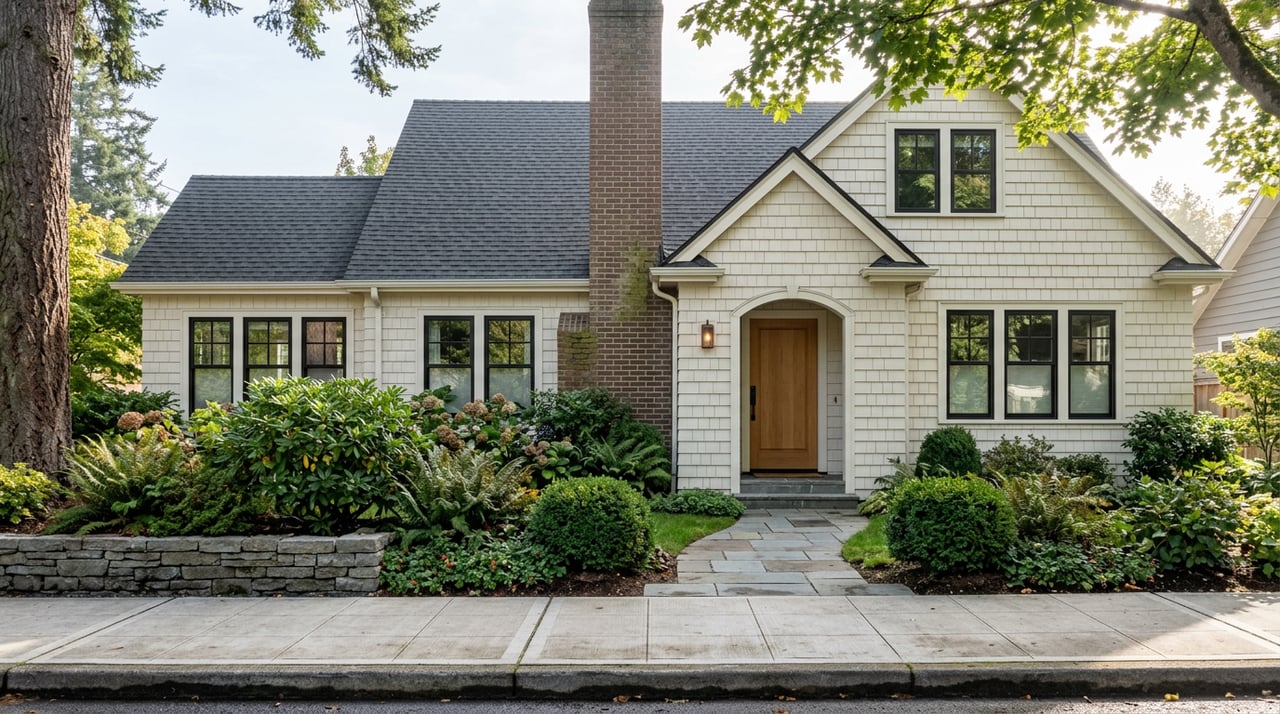
You picture a quiet morning walk under towering trees, a latte in hand, and the lake just a few blocks away. That is the rhythm of Washington Park, where estate-caliber homes meet the serenity of the Washington Park Arboretum. If you are weighing a move or planning a sale here, you want to understand how lots, topography and view corridors shape value. This guide breaks down the built character, amenities, access, and pricing forces that define Washington Park so you can make a confident decision. Let’s dive in.
Washington Park at a glance
Washington Park sits directly south of the Washington Park Arboretum and north of Madison Park, with Broadmoor along its eastern edge. Many public references group Washington Park with Madison Park and Broadmoor as one connected market in King County’s Area 14. You will see similar parcel traits and price dynamics across these adjacent enclaves, especially around the lake and greenbelt edges. For boundaries, parcel-level detail, and land valuation context, review the county’s Area 14 report that covers Madison Park and Washington Park together (King County Assessor Area 14).
The Arboretum lifestyle
Life here is anchored by the Washington Park Arboretum, a publicly accessible landscape of curated plant collections, seasonal highlights and easy loops for daily walks. You can explore mapped trails, the Witt Winter Garden, and interpretive stops throughout the year (UW Botanic Gardens maps and trails). The Arboretum itself is not a boat launch site, so you will look to nearby lake access points for boating. The private Seattle Tennis Club on Lake Washington offers courts, a pool and a boathouse for members, and it is a frequent lifestyle reference in listings for this area (Seattle Tennis Club).
Madison Park’s village strip and public beach sit just south, giving you a small, walkable hub for coffee, dining and lake days. Many Washington Park addresses enjoy a short, pleasant walk or quick drive to that center.
Estate lots, slopes and tree canopy
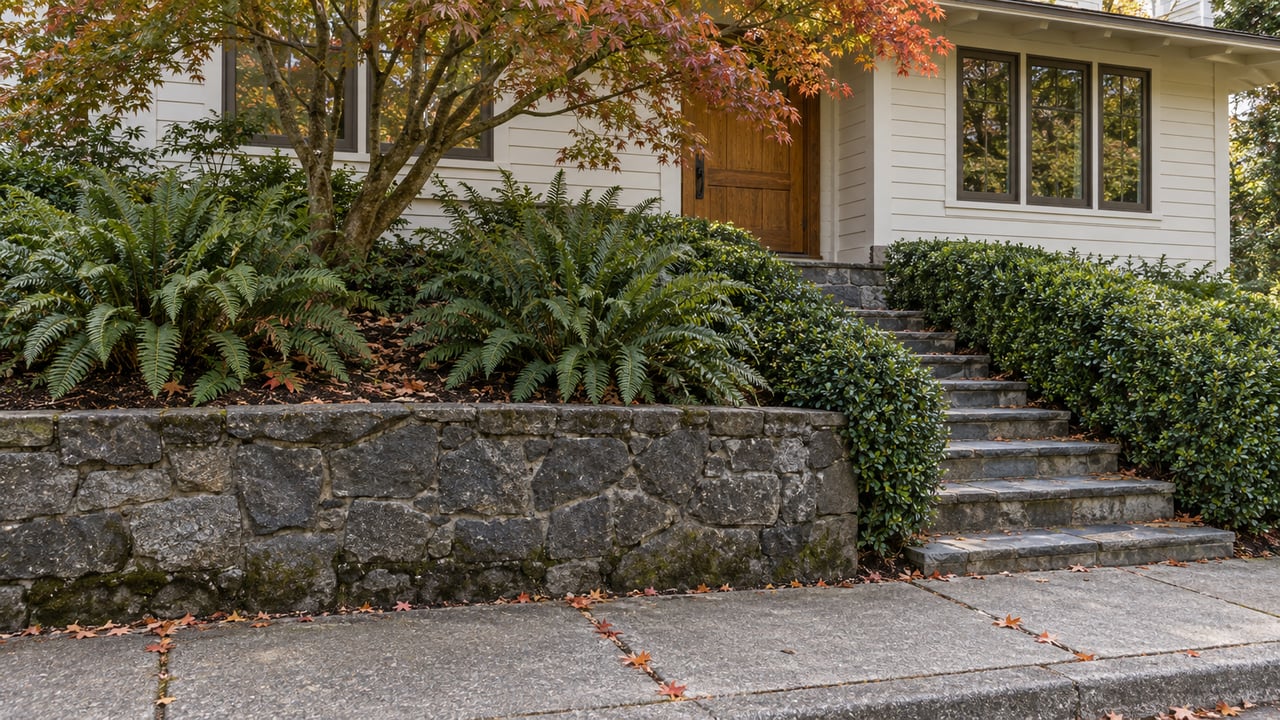
Washington Park is largely built out with single-family parcels. Typical zoning references use the city’s SF 5000 base lot as a benchmark, and new homes usually replace older structures rather than rising on vacant land. The county’s Area 14 analysis notes that topography is a primary influence here, with many parcels on noticeable slopes and a meaningful share enjoying Lake Washington and Mount Rainier views, often partial or seasonal as trees and neighboring roofs frame the outlook (King County Assessor Area 14).
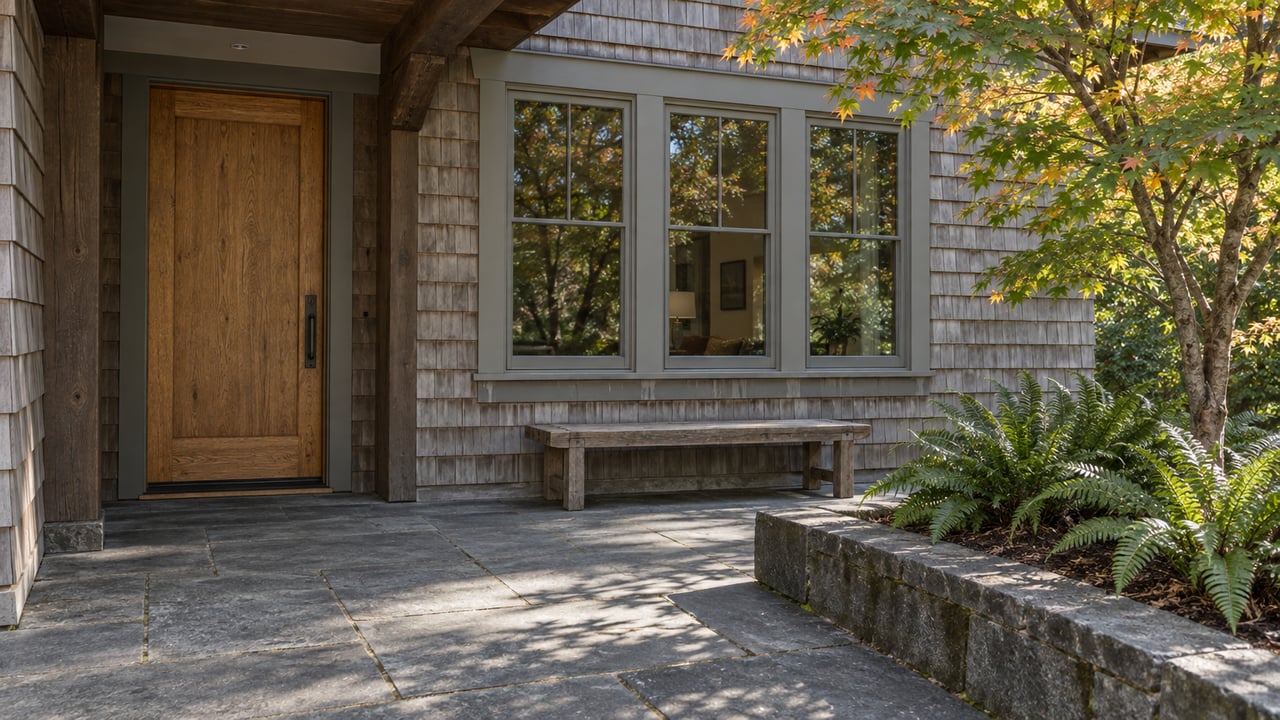
Mature canopy defines the streetscape. The Arboretum’s planting legacy and the city’s Olmsted-era park planning helped shape the neighborhood’s treed character and boulevards, which remain a central draw for buyers who value a green, established setting (HistoryLink overview of Arboretum history). If you plan renovations or a new build, understand Seattle’s tree protection rules early. Large trees can be protected, and removals or construction near them may require permits, arborist reports, mitigation or replacement planting (Seattle SDCI tree protection).
Architecture: classic to contemporary
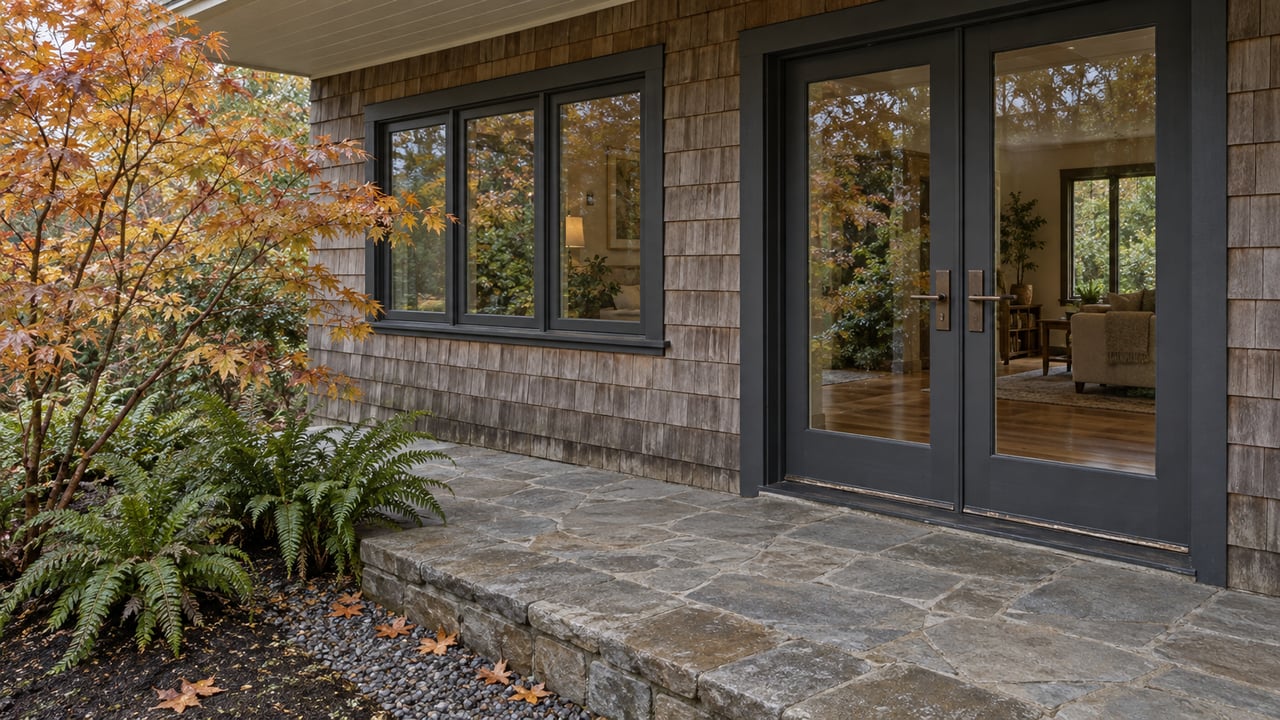
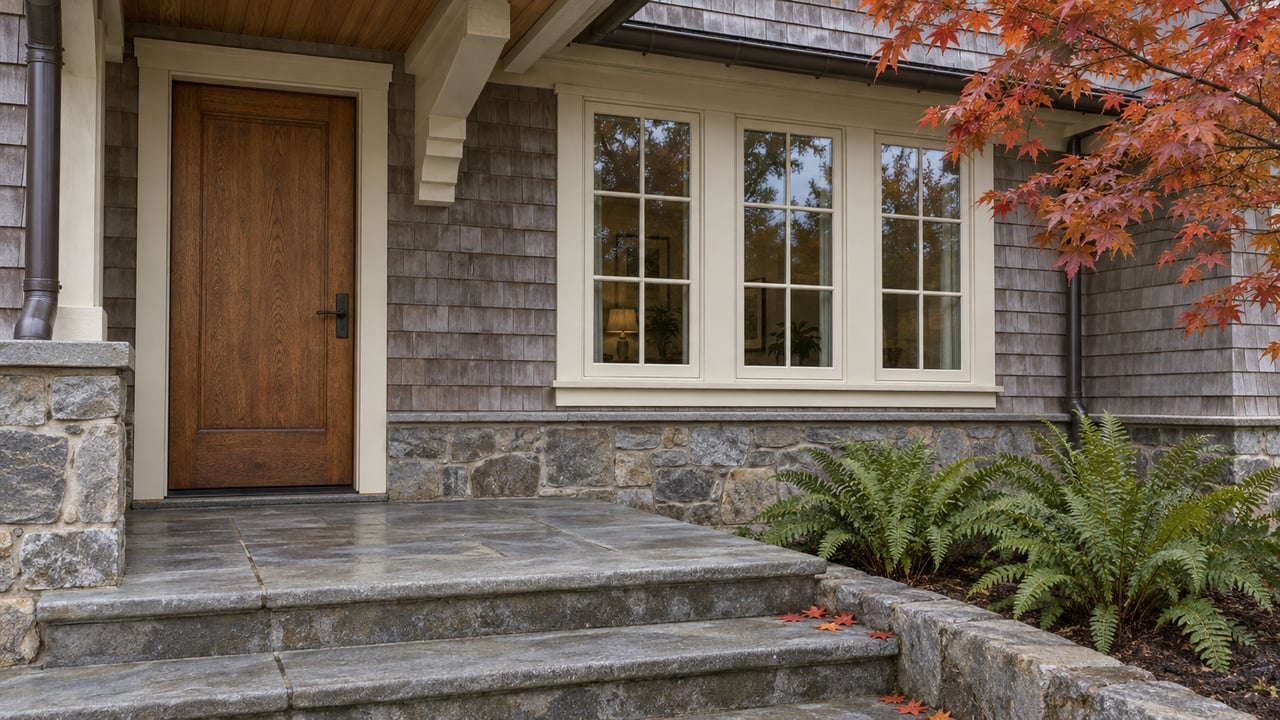
You will find an eclectic mix of high-style early 20th-century residences, Craftsman, Colonial Revival and Tudor homes, mid-century designs and newer luxury rebuilds. Because little vacant land remains, the prevailing pattern is renovation, major remodels and teardowns followed by higher-grade new construction. It is common to see historic character homes on one block and a recent custom estate on the next, reflecting long-term reinvestment in the area’s housing stock (King County Assessor Area 14).
Getting around
From Washington Park, car access to downtown Seattle and the Eastside is direct via E. Madison Street and SR 520, with I-90 also within reach. For transit, the RapidRide G line on Madison Street launched in 2024, adding frequent east-west service across First Hill and Capitol Hill toward Madison Valley. The G line does not run all the way to the lakeshore, but it improves connections and transfers for some commutes from the central neighborhoods that feed Madison Park and Washington Park corridors (RapidRide G project summary).
What drives value here
Several traits support premium pricing in Washington Park. The county’s land model identifies location, topography, views and lot size as primary influences on value. Combine that with limited supply, mature canopy, and privacy near the Arboretum and Broadmoor, and you get a stable, high-demand micro-market.
Key drivers you can evaluate on a showing or during due diligence:
- Views. Parcels with Lake Washington, Cascade or Mount Rainier sightlines trade at a premium, even when views are partial or seasonal.
- Lot size and site quality. Wider or deeper lots with gentler slopes can support larger footprints or easier builds.
- Waterfront. Waterfront and no-bank estates command outsized values and often set the headline comps for the area.
- Setting. Proximity to the Arboretum and treed boulevards adds daily-life appeal and long-run desirability.
- Renovation potential. A well-sited, mid-century or early-period home can be a strong candidate for high-end transformation.
On the flip side, plan for costs that can affect net value. Tree-protection rules, environmentally critical area and shoreline overlays, and steep-slope conditions can extend timelines and add engineering or mitigation costs. Older high-grade homes may require significant systems upgrades if you are modernizing. Start with city guidance on ECAs and tree rules before you set a budget or timeline (SDCI ECA overview; SDCI tree protection).
Pricing context in 2026
For scale, Seattle’s citywide median sale price was about $849,500 as of February 2026, according to Redfin’s snapshot for that date range (Seattle market snapshot). Madison Park medians are commonly reported in the $1.5 million to $2.0 million range in February 2026 snapshots, which illustrates the lake-adjacent premium relative to the city as a whole (Madison Park market snapshot).
Two notes will help you read neighborhood stats wisely:
- Small samples can swing medians. Washington Park has fewer transactions and occasional ultra-luxury waterfront sales, so month-to-month medians can jump.
- Always check the source, date, and the number of sales used. For definitive local comps, use NWMLS through your broker or King County recorded sales, and view the county’s long-run valuation perspective for Washington Park and Madison Park together (King County Assessor Area 14).
Washington Park vs. nearby choices
If you are narrowing your search, it helps to compare nearby neighborhoods at a high level:
- Washington Park. Primarily single-family, estate-scale lots near the Arboretum and Broadmoor, with higher average values and a premium for views and water proximity (King County Assessor Area 14).
- Madison Park. A lakefront village center with public beach access and a wider range of product types near the retail core; strong premiums for direct lake access (Madison Park market snapshot).
- Capitol Hill. Higher-density, more condo and multi-family inventory, broader nightlife and cultural amenities, and lower single-family medians by comparison (Capitol Hill market snapshot).
Buyer due diligence checklist
Use this quick list to evaluate a specific address:
- Confirm zoning and lot size. Verify the parcel’s assigned zone and build envelope with the city, especially if you plan an addition or accessory structure.
- Study views and view corridors. Identify whether views are partial, seasonal or protected by easement. Slopes and tree cover often shape sightlines. The county’s report quantifies view impacts in this area (King County Assessor Area 14).
- Check ECA and shoreline overlays. Look for steep slope or shoreline flags and understand permitting steps and timelines (SDCI ECA overview).
- Review tree rules early. Budget for arborist reports and potential mitigation if removal is proposed near protected trees (SDCI tree protection).
- Understand club and HOA considerations. Broadmoor homes carry HOA rules and approvals, and private clubs like the Seattle Tennis Club have separate membership processes and costs. Check deed covenants and county records for conditions.
- Use verified comps. Because medians can be volatile, base offers and pricing on NWMLS or county-recorded sales for the most recent 6 to 12 months.
Smart moves for sellers
If you are preparing a Washington Park sale, small decisions can add up to a stronger outcome:
- Highlight view moments. Even partial or seasonal views matter. Trim and shape landscaping within code, and stage outdoor spaces to frame sightlines.
- Document the property story. Assemble permits, surveys, geotech or arborist reports, and any remodel history to reduce buyer risk.
- Lead with setting and privacy. Feature the home’s relationship to the Arboretum and treed boulevards in photography and copy.
- Prepare for scrutiny on systems. Buyers in this price band expect clarity on roof, drainage, seismic and mechanicals, especially in older high-grade homes.
- Confirm commute context. Note travel times to downtown and the Eastside, and reference transit options and RapidRide G connections where useful.
A polished presentation paired with accurate data reduces friction and protects price. That is especially true in a neighborhood where each property is unique.
Ready to explore Washington Park?
Whether you are buying or selling, you deserve clear advice, disciplined valuation, and a tailored strategy that fits this estate neighborhood. If you want to discuss lots, views, permitting or timing, connect with Lisa Turnure for discreet, data-informed guidance.
FAQs
What defines Washington Park’s location and feel?
- Washington Park sits just south of the Arboretum and near Broadmoor, with mature tree canopy, estate-scale lots, and a mix of historic and contemporary homes backed by county valuation data that treats it with Madison Park in Area 14 (King County Assessor Area 14).
What does the Arboretum offer year-round?
- You get mapped walking trails, seasonal garden highlights like the Witt Winter Garden, and interpretive stops managed by UW Botanic Gardens, making daily outdoor time simple (UW Botanic Gardens maps and trails).
Do most homes in Washington Park have views?
- Many parcels enjoy some level of view due to topography, but sightlines are often partial or seasonal because of trees and neighboring roofs; premiums align with stronger, more protected views (King County Assessor Area 14).
Does the Arboretum have public boat launches?
- No, the Arboretum does not provide boat launch sites; boating access is handled elsewhere on Lake Washington, and private access is available to members at the nearby Seattle Tennis Club (Seattle Tennis Club).
How did RapidRide G change commutes near Washington Park?
- The 2024 RapidRide G line added frequent service along Madison Street through First Hill and Capitol Hill toward Madison Valley, improving connections and transfers even though it does not extend to the lakeshore neighborhood (RapidRide G project summary).
What should I know about tree removal on a Washington Park lot?
- Seattle’s tree code protects many large trees, so removals or building near them can require permits, arborist reports, and mitigation or replacement planting; plan timelines and budgets accordingly (Seattle SDCI tree protection).